Comparing Your Life to People Online and Feeling Like You Failed
Why We Compare Our Lives Online
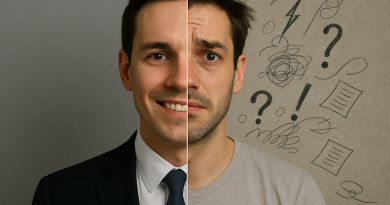
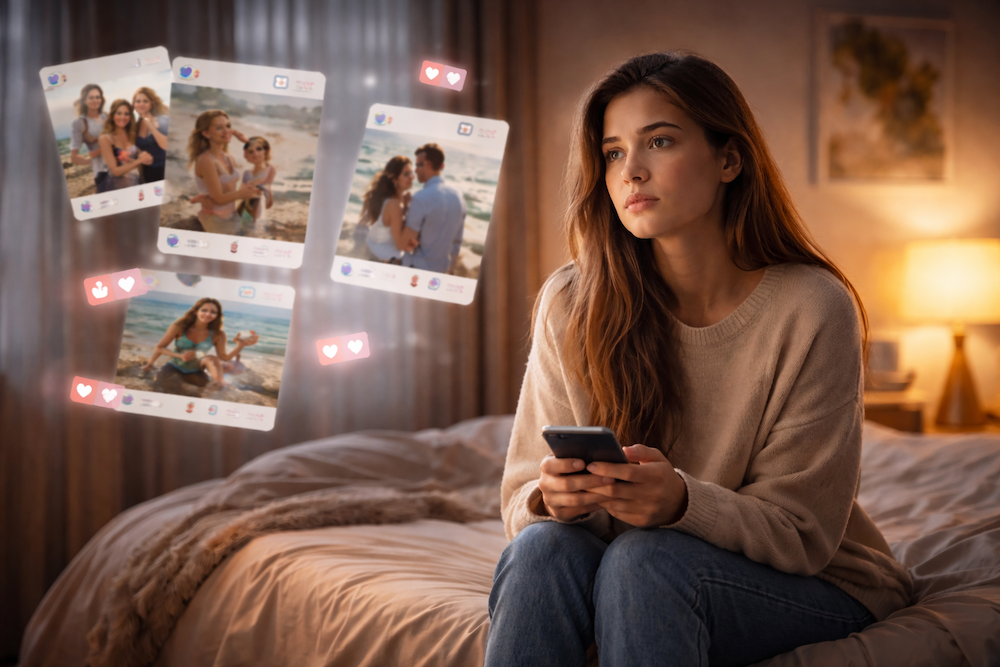
It’s natural to compare ourselves to others—it’s part of being human. But in today’s digital world, this comparison is amplified. Social media is a highlight reel, not reality. Instagram, TikTok, and Facebook are filled with carefully curated posts showing people’s successes, travels, relationships, and “perfect” moments.
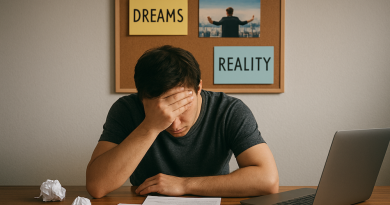
When we scroll endlessly, we start measuring our own lives against these snapshots. Suddenly, your achievements feel smaller, your home less glamorous, your life less exciting. This constant comparison can make even the most successful person feel like they’re not enough.
The truth is, no one shows the messy, unfiltered parts of their life online. Your “failure” is often just a normal part of life that nobody posts about.
The Emotional Cost of Comparing Yourself to Others
The emotional toll of online comparison is real. Many people feel:
- Inadequacy: Seeing others succeed can make your own accomplishments feel insignificant.
- Anxiety and stress: The pressure to “keep up” can lead to chronic stress and self-doubt.
- Depression: Prolonged comparison can contribute to depressive thoughts, especially when paired with isolation or loneliness.
- Low self-esteem: When your life doesn’t look like your friends’ online, it’s easy to internalize that as personal failure.
Even subtle comparisons—like envying someone’s vacation or job promotion—can chip away at your confidence over time. The key is recognizing that these feelings are normal but manageable.
Why Social Media Is Not Reality
It’s important to remember that social media is carefully curated. People share what they want others to see, not their full reality. Think about it:
- That perfect vacation photo? Hours of planning and stress behind the scenes.
- That promotion announcement? Years of struggle and failures before it happened.
- That flawless selfie? Often filtered, edited, or taken after dozens of tries.
The more you scroll, the more you measure your behind-the-scenes against someone else’s highlight reel. This is an unfair comparison and a recipe for feeling like you’ve failed, even when you’re doing fine in your own life.
Steps to Stop Comparing Yourself Online
Breaking the habit of comparison is possible. Here are some strategies to start today:
1. Limit Your Social Media Time
Studies show that reducing social media use decreases feelings of inadequacy and envy. Try:
- Setting daily screen time limits.
- Removing apps from your phone at night.
- Taking a “digital detox” for a weekend or longer.
2. Curate Your Feed
Follow accounts that inspire, educate, or genuinely make you feel good. Unfollow or mute accounts that trigger negative emotions. Remember, your feed shapes your mood.
3. Focus on Your Journey
Instead of measuring yourself against others, track your own growth. Ask yourself:
- What progress have I made this week, month, or year?
- What challenges have I overcome that I am proud of?
Celebrate small wins—they are just as important as big ones.
4. Practice Gratitude
Gratitude can help shift your perspective from what you lack to what you have. Daily habits include:
- Writing down three things you are grateful for.
- Reflecting on moments of personal growth.
- Acknowledging the love and support in your life.
Gratitude reduces the emotional impact of comparison and strengthens self-worth.
5. Seek Real Connections
Authentic, in-person relationships remind us that everyone has struggles behind closed doors. Talking to friends or family about your feelings can make you feel less alone.
Feeling like you’ve failed is often amplified by isolation. Connecting with real people helps ground your perspective.
When Comparison Turns Toxic
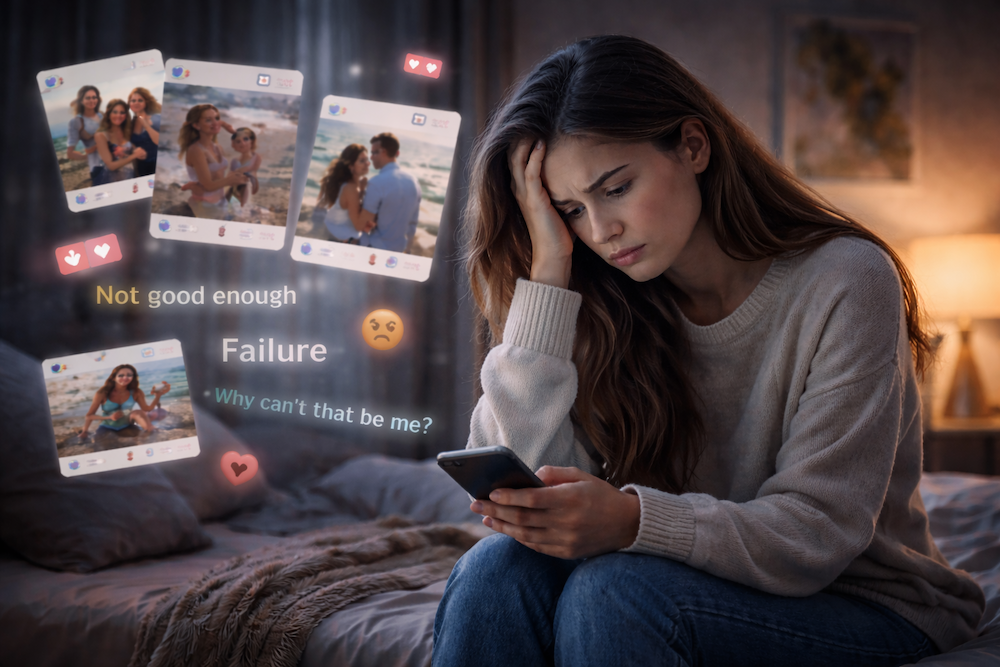
While occasional comparison is normal, it can become toxic if you notice:
- Constantly thinking others are doing better than you.
- Feeling guilty or ashamed about your life.
- Neglecting your own goals and needs to “keep up.”
- Avoiding social situations because of envy or low self-esteem.
If these signs resonate, it might be time to take a step back and reassess your social media habits.
Turning Comparison Into Motivation
Interestingly, not all comparison is bad. When approached intentionally, it can fuel growth. For example:
- Identify someone’s habits that inspire you and adapt them to your life.
- Learn new skills from those who share their expertise.
- Set personal goals based on what excites you—not based on envy.
The key is self-awareness. Ask yourself: “Am I comparing to feel inspired or to feel inadequate?” The answer guides how you respond.
If you want to explore more about overcoming self-doubt and building confidence, check out these helpful guides:
- The Hidden Link Between Anxiety and People-Pleasing – Understand how internal pressures can worsen comparison habits.
- Reparenting Yourself: How to Heal the Inner Critic – Learn strategies to cultivate self-compassion and stop harsh self-judgment.
Both articles dive deeper into self-awareness and offer practical steps to rebuild your sense of worth, independent of others’ achievements.
Final Thoughts
Feeling like you’ve failed after scrolling online is a shared human experience—but it doesn’t define your worth. Social media presents a distorted lens, emphasizing highlights and hiding struggles.
By limiting screen time, curating your feed, practicing gratitude, and focusing on your journey, you can reclaim your confidence and enjoy life without constant comparison.
Remember: your path is unique, and success is measured by your growth, not by someone else’s highlight reel.
Additional Resources
When Comparing Yourself To Others Turns Self-Destructive
Why You Should Stop Comparing Yourself to Others (And How to Do It)