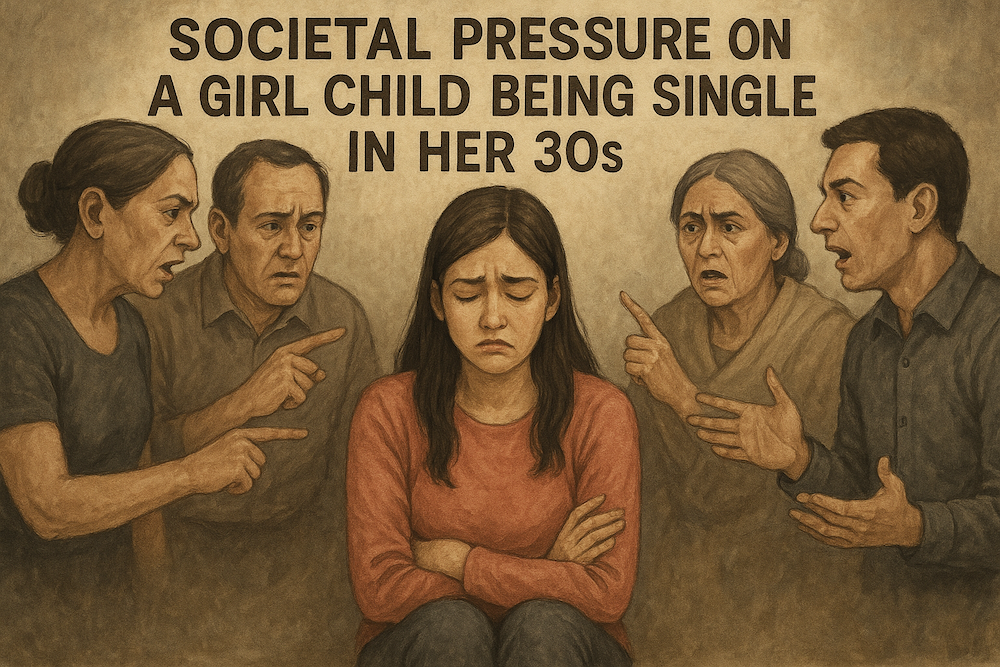
Societal Pressure on a Girl Child Being Single in Her 30s
Introduction
In many cultures, especially in African and Asian societies, the worth of a woman is often tied to her marital status. A girl child is raised with the expectation that she must marry and start a family by a certain age—usually before 30. When she doesn’t, the world around her starts to panic on her behalf. Questions begin to pour in: “What are you waiting for?” “Don’t you want children?” “Are you being too picky?”
These questions, though seemingly harmless, carry the weight of societal pressure, emotional stress, and cultural expectations that can deeply affect a woman’s mental health and self-esteem. In this blog post, we’ll explore the root of this pressure, its impact, and how women can break free from the stigma of being single in their 30s.
Why Is There So Much Pressure on Single Women in Their 30s?
1. Cultural and Religious Beliefs
In many traditional communities, getting married is not just a personal milestone—it’s seen as a rite of passage. Families view a daughter’s marriage as their success story. Faith-based institutions often reinforce the idea that marriage is a divine calling every woman must fulfill.
“By 25, they start asking when you’ll settle down. By 30, they’re praying for you.”
The result is a cultural programming that equates being single at 30 with failure, incompleteness, or even spiritual deficiency.
2. Biological Clock Anxiety
Society places immense importance on the biological clock—the idea that a woman must have children before a certain age. While fertility does decline with age, it is often exaggerated to instill urgency and fear. This makes single women in their 30s feel like they’re running out of time—even if they’re healthy, successful, and happy.
3. Social Comparison
Social media has become a constant stream of engagements, weddings, baby showers, and anniversary celebrations. For women in their 30s who are single, these images can lead to comparison traps and feelings of inadequacy. The pressure is not just coming from family or society anymore—it’s coming from every scroll and swipe.
If this resonates with you, you may also find our post on The Hidden Link Between Anxiety and People-Pleasing insightful.
Emotional and Mental Effects of This Pressure
1. Shame and Isolation
Many women report feeling ashamed of their relationship status. They begin to withdraw from family events or avoid old friends just to escape awkward conversations about marriage. This self-isolation only deepens emotional wounds.
2. Lowered Self-Worth
When society repeatedly tells a woman that she is “not complete” without a man, she may start believing it. This erodes self-worth and can even lead to settling for unhealthy relationships just to meet societal expectations.
If you’ve ever wondered why some people stay in unhappy relationships, check out our article: People-Pleasing in Relationships: Why It Happens and How to Stop
3. Depression and Anxiety
The constant pressure to meet unrealistic expectations can lead to depression, anxiety, and chronic stress. Women may feel like they’re disappointing their families, falling behind their peers, or failing at life altogether.
Real Stories, Real Pain
- Ada, a 34-year-old accountant, shared, “Each time I go for family gatherings, someone will joke, ‘We’ll soon start calling you Brother Ada.’ I laugh it off, but it cuts deep.”
- Zainab, 31, said, “My mom started introducing me to pastors for special prayers. She thinks something is wrong with me because I’m not married.”
These stories are not rare. They represent the silent struggles of many women navigating their 30s while single.
Why Being Single in Your 30s Isn’t a Problem
1. A Time for Personal Growth
Your 30s are an incredible decade for clarity, confidence, and self-awareness. You’re no longer figuring out who you are—you’re refining and owning it. Being single allows you to travel, pursue your dreams, build financial independence, and invest in your inner healing.
2. Better Relationship Choices
Women in their 30s tend to make more intentional decisions about relationships. They know what they want, and more importantly, what they won’t tolerate. This often leads to healthier, more meaningful connections—even if they come later in life.
3. Redefining Success
Success isn’t limited to marriage. It includes career milestones, emotional intelligence, spiritual growth, and impact. A single woman thriving in her purpose is not incomplete; she is simply on a different path.
How to Deal With the Pressure
1. Set Boundaries with Family and Friends
It’s okay to tell your family:
“I understand you care, but these constant questions about my marital status are making me uncomfortable. Please respect my journey.”
Setting boundaries isn’t disrespect—it’s emotional self-care.
2. Find a Support System
Surround yourself with people who affirm your worth, not those who reduce it to marital status. Join women’s circles, mentorship programs, or online communities where your story is celebrated, not shamed.
3. Reframe the Narrative
Start telling yourself new truths:
- I am whole, with or without a partner.
- My worth isn’t tied to someone else’s timeline.
- I trust the timing of my life.
Affirmations may not silence society, but they strengthen your mind to rise above its noise.
What the Church and Society Should Learn
We must stop treating marriage like a trophy and singleness like a punishment. Churches should celebrate all stages of life, including singleness. Families must stop asking, “When will you marry?” and start asking, “How are you really doing?”
The shift begins when we recognize that every woman’s journey is valid—whether she’s single, married, divorced, or widowed.
Inspiring Examples of Women Thriving in Singleness
- Oprah Winfrey never married, yet she’s inspired millions and built a global legacy.
- Chimamanda Ngozi Adichie, though now a wife and mother, has often challenged cultural pressures on women through her work.
- Thousands of women in your city, community, and network are thriving single, choosing joy over pressure, and purpose over panic.
What Single Women in Their 30s Wish You Knew
- We’re not delaying marriage because we’re proud or picky.
- We’re not broken or cursed.
- We are living, healing, building, becoming.
Ask us about our businesses, our passions, our dreams—not just our wedding dates.
Final Thoughts
Being single in your 30s is not a curse; it’s a season of strength, clarity, and growth. Society may not understand it yet, but you don’t need their approval to embrace your life. You are not behind. You are right on time—your own time.
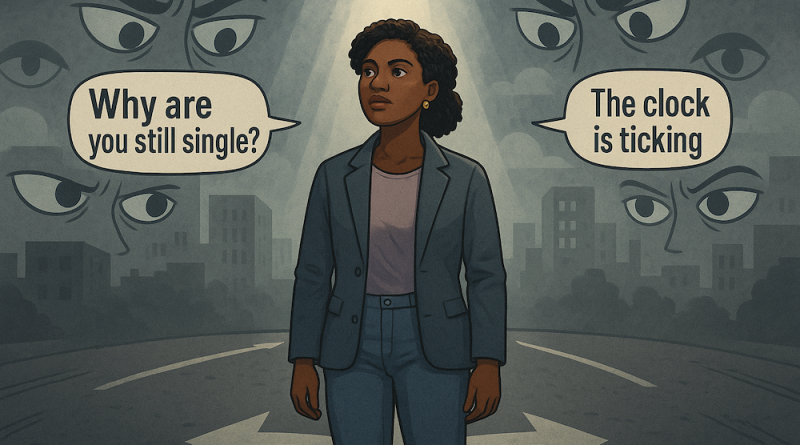
So the next time someone asks, “Why are you still single?”—look them in the eye and say:
“Because I refuse to settle for less than I deserve.”
Additional Resources
Dear Dairy: The Silent Pressure of Being Unmarried in Your 30’s
I’m 32, Single And Have No Kids. Here’s How I Cope With Age-Related Pressure.