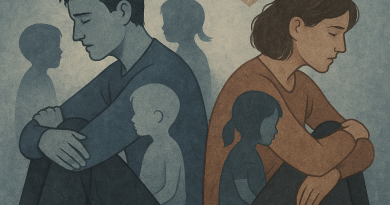

People-Pleasing in Relationships: Why It Happens and How to Stop
Introduction: When “Nice” Becomes a Problem
At first glance, people-pleasing seems harmless—even admirable. You care deeply. You want your partner to be happy. You’re willing to go the extra mile. But what happens when “being nice” starts to feel exhausting, one-sided, or inauthentic? In romantic relationships, people-pleasing can quietly destroy emotional connection, personal boundaries, and even self-worth.
In this post, we’ll explore:
- The root causes of people-pleasing behavior
- How it plays out in relationships
- The hidden emotional cost
- Practical steps to stop people-pleasing without becoming selfish
Whether you’re trying to maintain peace, avoid conflict, or just want to feel loved in return, this guide will help you shift from self-sacrifice to healthy love.
What is People-Pleasing in Relationships?
People-pleasing in relationships means consistently putting your partner’s needs, feelings, and desires above your own—even when it harms your emotional or physical well-being. It’s often driven by fear of rejection, fear of conflict, or an internal belief that your worth depends on being useful or agreeable.
Signs of people-pleasing include:
- Saying “yes” when you want to say “no”
- Avoiding expressing your true feelings or needs
- Over-apologizing or taking blame just to keep the peace
- Feeling anxious or guilty when setting boundaries
- Seeking approval or validation constantly
While kindness and compromise are vital in relationships, people-pleasing takes it too far. It becomes a performance, not a partnership.
Why People-Pleasing Happens
Understanding the “why” behind your people-pleasing can help you break the pattern. Here are some common root causes:
1. Childhood Conditioning
Many people-pleasers grew up in environments where love was conditional. If you were praised only when you were obedient or punished for expressing anger, you may have learned to associate love with being “good.” Over time, your sense of safety and acceptance became tied to keeping others happy.
2. Low Self-Worth
When you believe deep down that you’re not good enough, you may try to earn love by being overly helpful, agreeable, or accommodating. This turns love into a transaction—you give everything and hope to get affection or approval in return.
3. Fear of Abandonment or Rejection
People-pleasing often stems from attachment wounds. You might fear that expressing your true feelings will push people away. So, you choose silence over honesty, or compliance over confrontation.
4. Cultural or Gender Expectations
In some cultures or family systems, especially in traditional or patriarchal settings, people (often women) are taught that selflessness is a virtue, and asserting one’s needs is “selfish.” These messages can deeply shape how we show up in relationships.
🔗 Related Read: Attachment Styles in Love: How They Shape Your Relationships
The Cost of People-Pleasing in Love
People-pleasing may feel like love, but it slowly erodes emotional safety in a relationship—for both partners.
1. Resentment Builds
When your needs are ignored for too long, frustration builds. You may feel unappreciated or invisible, but blame yourself for feeling that way.
2. Authenticity Disappears
A relationship built on pleasing is often a mask. You hide your real thoughts, desires, and boundaries. True intimacy becomes impossible when you’re not being real.
3. Your Partner Loses Respect
Ironically, trying too hard to please can lead to your partner feeling burdened, confused, or even losing respect. Relationships thrive on mutuality—not martyrdom.
4. Emotional Burnout
Chronic people-pleasing leads to emotional exhaustion. You’re always “on,” scanning for how to keep the peace or make your partner happy. It’s a heavy emotional load that often leads to anxiety or depression.
How to Stop People-Pleasing (Without Becoming Selfish)
Letting go of people-pleasing doesn’t mean becoming cold, distant, or selfish. It means loving in a way that includes you, too.

1. Get Clear on Your Needs
Start by asking: What do I want? What do I feel? What do I need right now? Many people-pleasers are so tuned into others that they’ve lost touch with themselves. Journaling, therapy, or quiet reflection can help you reconnect with your inner voice.
2. Learn to Tolerate Discomfort
One reason people-pleasing persists is because we fear the discomfort that comes from saying “no,” disappointing others, or having hard conversations. Start with small boundaries and allow yourself to feel the discomfort. It’s a sign you’re growing.
3. Communicate Assertively
You don’t need to be rude to be real. Practice using “I” statements, like:
- “I feel overwhelmed when I do all the chores. Can we divide them more evenly?”
- “I’d like us to spend more quality time together. I miss that.”
Assertiveness is about respecting your needs while honoring your partner’s humanity.
🔗 Helpful Read: How to Have Hard Conversations Without Ruining the Relationship
4. Set Boundaries Early and Kindly
Boundaries are not walls. They are healthy limits that protect connection, not destroy it. Examples:
- “I need some alone time after work to recharge.”
- “I’m happy to help, but I need some notice in advance.”
Boundaries foster respect, not rejection.
5. Give from Overflow, Not Emptiness
Real generosity comes from fullness, not obligation. When you care for yourself first, you show up more joyfully for others. Make sure your giving is coming from love—not fear or pressure.
How to Heal from Chronic People-Pleasing
Stopping people-pleasing is not just behavioral—it’s emotional. Here’s how to heal the deeper wounds:
1. Inner Child Work
Much of people-pleasing is rooted in early childhood survival strategies. Reparenting yourself involves offering your inner child the safety, validation, and love you didn’t receive. Speak gently to yourself. Acknowledge the pain. Offer reassurance.
🔗 Deep Dive: Reparenting Yourself: How to Heal the Inner Critic
2. Practice Self-Compassion
Your urge to please came from a sincere desire to be loved and safe. Don’t beat yourself up. Treat yourself with the same kindness you offer others. Remind yourself: “I am worthy of love, even when I say no.”
3. Surround Yourself with Safe People
Healing becomes easier when you’re in relationships where your voice is welcomed, not punished. Pay attention to how people respond when you set boundaries or share your truth. Healthy relationships will stretch to meet your growth—not shame you for it.
Final Thoughts: Love Without Losing Yourself
Love is not self-erasure. True connection comes when both people feel safe, seen, and respected—not just one. If you’ve been stuck in a pattern of people-pleasing, know that you’re not alone—and that healing is possible. You can be kind without being compliant. You can be generous without losing yourself. And you can love deeply while honoring your truth.
Additional Resources
Why Being a People Pleaser Damages Relationships—and What to Do About It!
It’s Time to Stop People Pleasing in Your Romantic Relationship!