

Not All Healing Looks Happy: What Real Growth Feels Like
Introduction: The Lie About Healing We Were Told
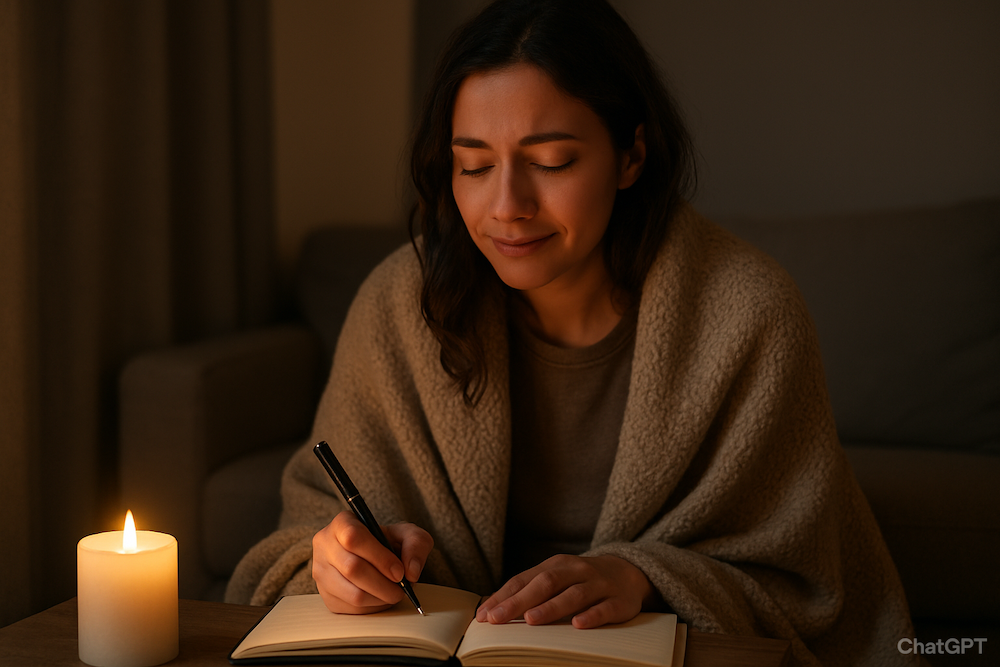
When we think of healing, we often picture someone walking in the sun, smiling, journaling beside a candle, or sipping tea while everything slowly falls into place. But the truth? Healing doesn’t always look or feel beautiful. Sometimes it feels like confusion, loneliness, anger, or exhaustion.
Real growth can be disorienting—because it demands we let go of who we were, face truths we once buried, and choose better habits even when they feel unfamiliar. In this post, we’ll explore what true healing looks and feels like, and why you don’t have to look “put together” to be on the right path.
Why Real Healing Often Feels Like Falling Apart
1. You’re Unlearning Old Survival Patterns
The first stage of healing is usually not bliss—it’s discomfort. That’s because you’re unlearning coping mechanisms that once protected you but no longer serve your peace. Maybe you were always the fixer in relationships. Or maybe you numbed your pain through overworking, people-pleasing, or silence.
Letting go of those patterns can feel like losing your identity. You may ask:
- Who am I if I’m not the peacekeeper?
- What if people leave when I start setting boundaries?
These questions are signs of growth—even if they feel like uncertainty.
Related post: Reparenting Yourself: How to Heal the Inner Critic
2. Growth Can Feel Like Loneliness
As you heal, you might notice your social circle shrinking. Why? Because healing often requires saying no to dysfunction, even when it comes from people you love. That means stepping away from toxic friendships, boundary-crossing family members, or relationships built on old trauma bonds.
You might feel lonely—but this space creates room for new, healthier connections. It’s not a sign you’re doing life wrong; it’s a clearing for the new.
3. Triggers Don’t Disappear Overnight
One common myth is that once you start healing, your triggers vanish. But in reality, triggers may show up more because you’re becoming aware of them. Instead of reacting impulsively, you might now pause, breathe, journal, or take space.
This pause can feel frustrating—because it shows just how much work you still need to do. But here’s the truth:
Healing is not the absence of triggers. It’s the presence of self-awareness and healthier responses.
What Real Growth Actually Feels Like
1. Feeling Everything More Deeply
You may cry more than before. Not because you’re broken, but because you’re no longer suppressing your emotions. You’ve given yourself permission to feel—anger, grief, joy, fear.
This emotional intensity isn’t weakness. It’s a sign your heart is thawing. You’re alive, present, and more connected to your truth.
2. Confusion and Self-Doubt
Healing isn’t a straight line. You’ll question yourself often:
- “Am I making progress?”
- “Why am I still hurting?”
- “Shouldn’t I be over this by now?”
But questioning doesn’t mean failure. It means you’re engaged in the process, not running on autopilot. Growth includes relearning, redefining, and reimagining your values and identity.
3. Peace That Feels Boring (At First)
If you’re used to chaos or emotional rollercoasters, real peace might feel dull or even scary at first. You might think:
- “Why does this calm feel uncomfortable?”
- “Shouldn’t something be happening?”
But what you’re experiencing is nervous system regulation. It’s your body adjusting to safety. And while it may not feel exciting, it’s healthy.
4. Choosing Hard Things on Purpose
One of the clearest signs of healing is choosing hard things with intention:
- Saying no when it would be easier to say yes.
- Having difficult conversations rather than avoiding them.
- Leaving toxic situations despite the fear of loss.
Growth often means choosing your hard. And that’s courageous.
Related post: How to Have Hard Conversations Without Ruining the Relationship
What Real Healing Might Look Like (Even If It Doesn’t Seem “Happy”)
- You’re crying more, but feeling lighter afterward.
- You feel more tired—not because you’re lazy, but because emotional work is draining.
- You say no more often, even when guilt shows up.
- You stop chasing people and start choosing yourself.
- You stop explaining your worth to those who won’t see it.
This isn’t regression. It’s progress—just not the kind that fits into a feel-good social media post.
Signs You’re Healing (Even If It Doesn’t Feel Like It)
- You notice when your body tenses in stress and pause to breathe.
- You walk away from chaos instead of diving in.
- You stop needing external validation as much.
- You forgive yourself more quickly.
- You value solitude more than you fear it.
How to Trust the Healing Process When It Hurts
1. Document Your Journey
Keep a healing journal. Write down what you’re learning, what you’re grieving, and what boundaries you’re building. On the days you feel like nothing has changed, look back. Your growth will be there in your own words.
2. Surround Yourself with Safe People
Healing in isolation is harder. Find people—therapists, support groups, trusted friends—who honor your process without rushing it. Healing thrives in safe, non-judgmental spaces.
3. Normalize Setbacks
Bad days don’t erase your progress. You can have a breakdown and still be healing. You can feel triggered and still be strong. Healing isn’t perfection—it’s resilience.
Final Thoughts: Growth is Still Growth, Even If It’s Quiet
Not all healing will look like victory laps and glow-ups. Sometimes it will be you, alone in your room, facing the pain you once buried. Sometimes it will be messy tears, awkward boundaries, and moments of wanting to give up.
But every step forward counts—even the small, shaky ones.
So if you’re in the middle of your healing, and it doesn’t feel joyful or Instagram-worthy, remember this:
You are still growing.
You are still becoming.
You are still healing—even if it doesn’t look happy.
Additional Resources
The Dark Side of Healing: Why Personal Growth Feels Like Losing Yourself