
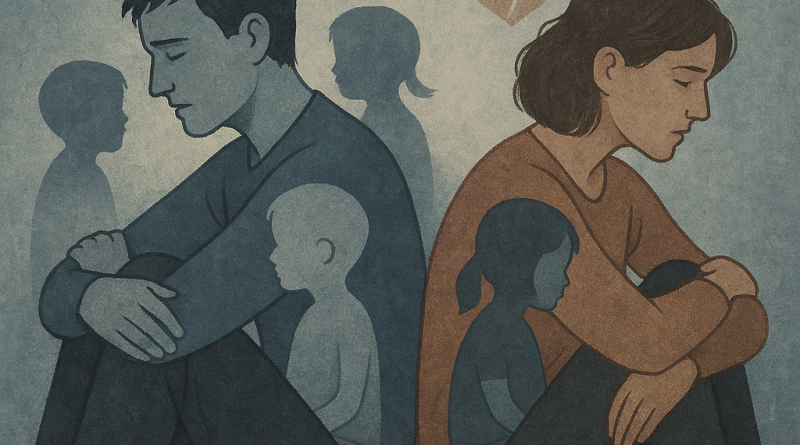
How Childhood Trauma Shapes Your Adult Relationships
Have you ever wondered why you react a certain way in relationships—why you shut down, cling too tightly, or constantly fear abandonment? Often, the root lies deep in your past. Childhood trauma, even the kind you’ve buried or minimized, can profoundly shape how you connect with others in adulthood.
In this post, we’ll explore the invisible ways childhood trauma can affect your relationships, the common patterns it creates, and how healing is not only possible—but essential.
What Is Childhood Trauma?
Childhood trauma refers to adverse experiences during the formative years that overwhelm a child’s ability to cope. These can include:
- Physical, emotional, or sexual abuse
- Neglect
- Witnessing domestic violence
- Losing a parent to death, divorce, or abandonment
- Growing up in a household with addiction or mental illness
Even situations that may seem “minor” to an adult—like frequent criticism, lack of emotional support, or being made to feel invisible—can leave lasting emotional wounds.
The Lasting Impact of Trauma on the Brain and Attachment
Childhood trauma doesn’t stay neatly tucked away in your past. It affects brain development, particularly the parts responsible for emotional regulation, trust, and threat detection. When a child grows up in a chaotic or unsafe environment, the brain adapts to survive. But those survival strategies often become maladaptive in adult relationships.
For example, if love and fear were intertwined growing up, your nervous system may now interpret closeness as dangerous—even when you’re with someone safe.
5 Ways Childhood Trauma Affects Adult Relationships
Let’s break down how these early experiences shape your romantic, platonic, and even professional relationships.
1. Fear of Abandonment or Rejection
Children who experienced neglect, inconsistent caregiving, or sudden loss often carry an intense fear of being abandoned. As adults, this may show up as:
- Clinging to partners
- Overanalyzing texts and silence
- Sabotaging relationships to avoid getting hurt
You may find yourself asking, “Are they going to leave me?” even in stable relationships. This fear isn’t irrational—it’s your trauma talking.
2. Emotional Numbing or Avoidance
On the flip side, some trauma survivors learned to shut down emotionally to cope with pain. In adulthood, this can look like:
- Difficulty expressing vulnerability
- Avoiding conflict at all costs
- Feeling emotionally distant or disconnected in relationships
You might love your partner deeply but struggle to show it. Or, you may find yourself jumping from one partner to another, unable to settle down or trust.
For more on this, read our post: What to Do When You Feel Emotionally Numb
3. Anxious or Disorganized Attachment Styles
Attachment theory suggests that how we bonded with caregivers as children influences how we bond as adults. Trauma often leads to insecure attachment styles:
- Anxious attachment: Constantly seeking reassurance, fear of being too much or not enough
- Avoidant attachment: Valuing independence to an extreme, emotionally distant
- Disorganized attachment: A mix of both—wanting closeness but fearing it
These patterns can lead to a cycle of push and pull in relationships that feels confusing and exhausting for both partners.
4. Low Self-Worth and Over-Accommodation
When caregivers are critical, absent, or abusive, children internalize the message that they are unlovable or not enough. As adults, this manifests as:
- People-pleasing
- Ignoring personal needs and boundaries
- Choosing partners who reinforce old wounds
You may stay in toxic relationships longer than you should because deep down, you don’t believe you deserve better.
Dive deeper into this in our post: The Hidden Link Between Anxiety and People-Pleasing
5. Hypervigilance and Trust Issues
Growing up in unpredictable environments teaches children to stay on high alert. In adult relationships, this can mean:
- Assuming the worst in people
- Struggling to trust even trustworthy partners
- Overthinking, scanning for signs of betrayal
This level of vigilance can be exhausting and may cause partners to pull away, further reinforcing feelings of abandonment.
Signs You’re Carrying Childhood Trauma Into Relationships
Here are some common red flags that your past may be affecting your present:
- You fall hard and fast—or feel numb no matter who you’re with
- You’re easily triggered by criticism or conflict
- You tend to choose emotionally unavailable or abusive partners
- You fear being alone but also push people away
- You have a hard time believing someone could love the real you
If any of these resonate, know that you’re not broken—you’re responding to wounds that were never given the chance to heal.
Why Awareness Alone Isn’t Enough
Recognizing how childhood trauma affects your relationships is a powerful first step. But insight without action can only take you so far. Healing requires:
- Safety: A space where you can be seen without judgment
- Support: A therapist, coach, or community that understands trauma
- Skill-building: Learning how to regulate emotions, set boundaries, and communicate clearly
Remember, trauma wires the brain for survival, not connection. Healing rewires it for love, intimacy, and presence.
Healing Is Possible—And Worth It
You don’t have to stay stuck in old patterns. Here’s what healing can look like over time:
- You stop blaming yourself for your triggers
- You begin to trust safe people
- You communicate your needs without shame
- You choose partners who feel emotionally available
- You feel peace in your body—even in moments of closeness
Healing from childhood trauma doesn’t mean forgetting the past. It means reclaiming your power in the present.
Practical Steps to Start Healing

Here are some trauma-informed practices to begin your healing journey:
1. Inner Child Work
Reconnect with the wounded parts of yourself that are still seeking love and safety. You can do this through journaling, guided meditations, or therapy.
2. Therapy (Especially Trauma-Focused Modalities)
Modalities like EMDR, somatic therapy, and IFS (Internal Family Systems) are especially helpful for healing early wounds.
3. Mind-Body Practices
Yoga, breathwork, and grounding exercises help regulate your nervous system and bring you back to the present moment.
4. Boundaries and Self-Compassion
Learning to say no and honoring your emotions is essential in forming healthy relationships. Practice speaking kindly to yourself—even when you mess up.
Final Thoughts: Your Past Doesn’t Define Your Future
Childhood trauma may shape how you relate—but it doesn’t have to dictate your destiny. With the right support, awareness, and inner work, you can unlearn old survival patterns and create relationships built on safety, honesty, and love.
You’re not too broken to be loved. You’re not too damaged to heal. You’re simply human—carrying stories that can be rewritten with tenderness and truth.
Additional Resources
Understanding the Impact of Childhood Trauma on Adult Relationships