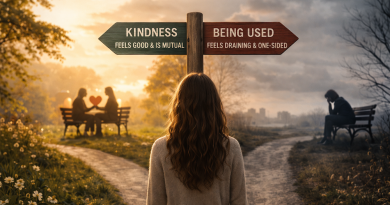

Should I Stay or Walk Away? How to Decide With Clarity
Introduction
There comes a time in many relationships—romantic, platonic, or professional—when you’re faced with a gut-wrenching question: Should I stay or walk away? It’s a question that lingers in sleepless nights, long talks with trusted friends, and teary journal entries. And yet, the answer rarely feels clear.
This inner tug-of-war can be emotionally draining, but it’s also a crucial turning point. Whether you’re dealing with a romantic partner who no longer feels like a teammate, a friendship that’s grown one-sided, or a job that’s slowly eroding your mental health, the decision to stay or leave requires deep reflection.
This post will guide you through that process with compassion and clarity. You’ll learn how to recognize the red and green flags, assess your needs honestly, and make a decision rooted not in fear, but in self-worth.
✅ Related: Emotional Safety: The Real Secret to Lasting Love
1. Why It’s So Hard to Decide
Deciding whether to stay or walk away can feel impossible because we’re often torn between love and logic, hope and reality. Here are some of the most common reasons people stay stuck:
- Fear of the unknown: Leaving means change. Even if the current situation is painful, it’s familiar. That comfort can keep us rooted in place.
- Guilt or obligation: You may feel responsible for the other person’s well-being, especially if they’ve become emotionally dependent on you.
- Hope for change: “Maybe it’ll get better.” This is a powerful, often blinding reason people stay, even when all signs say otherwise.
- Low self-worth: If you’ve been emotionally neglected or mistreated, you might believe this is the best you can get.
Understanding why you’re conflicted is the first step in breaking free from confusion.
2. Check the Emotional Temperature
Take an honest inventory of how you feel in the relationship. Ask yourself:
- Do I feel emotionally safe?
- Can I be myself without fear of criticism or rejection?
- Do I feel consistently drained or energized after interactions?
- Is there mutual respect and trust?
One of the most telling signs is your body’s response. Do you feel tense, anxious, or shut down around this person? Or do you feel grounded, relaxed, and secure? Your nervous system often knows before your mind does.
3. Is It a Rough Patch or a Pattern?
All relationships go through difficult seasons. Stress, illness, financial strain, or external pressures can affect how people show up. But there’s a difference between a rough patch and a destructive pattern.
A rough patch:
- Comes with mutual effort to repair
- Is temporary
- Doesn’t compromise your core values or emotional safety
A destructive pattern:
- Feels one-sided
- Involves repeated betrayals, gaslighting, or emotional neglect
- Makes you feel smaller over time
If you’re constantly having the same painful conversations with no change, that’s not a rough patch. That’s a cycle.
4. Reflect on the Core Issues
Instead of only looking at surface problems (like “we argue a lot” or “they don’t make time for me”), dig deeper:
- Are your needs and values compatible?
- Is there emotional availability on both sides?
- Do you feel like an equal partner?
- Have you communicated your needs clearly—and were they received with care?
Sometimes we hope someone will change if we just explain it better or love them harder. But clarity often comes when we stop negotiating our worth and start observing the facts.
5. Write a Clarity Letter (But Don’t Send It)
This exercise helps bring subconscious feelings to the surface. Write a letter to your partner, friend, or even yourself that answers the following:
- What hurts the most about this relationship?
- What have I tried to fix or communicate?
- What do I wish was different?
- What have I learned about myself from this relationship?
- What am I afraid will happen if I walk away?
Let your emotions flow uncensored. When you read it back the next day, you might see themes or patterns that bring clarity.
6. Don’t Let Loneliness Make the Decision
One of the biggest traps people fall into is choosing to stay because they fear being alone. But staying in a painful connection because you’re afraid of loneliness only leads to deeper disconnection—with yourself.
Healthy relationships aren’t about avoiding loneliness; they’re about creating meaningful connection. That starts with how you treat yourself. If you can sit in your own presence and feel peace, you’re more equipped to make decisions that honor your growth—not your fear.
✅ Related: Healing from Emotional Neglect: Steps to Reclaim Your Self-Worth

7. What Does Your Inner Voice Say?
We often override our intuition because we don’t want to face the discomfort it brings. But if you ask yourself honestly—“Would I want someone I love to stay in this kind of relationship?”—what does your answer reveal?
If you find yourself constantly defending the relationship to others, or hiding the truth of how bad things really are, that’s a signal you’re not listening to your inner wisdom.
8. Don’t Make Permanent Decisions in Emotional Storms
If you’re in the middle of a big fight or a triggered emotional state, don’t decide yet. Clarity doesn’t come in chaos. Give yourself time and space. Step back for a few days. Journal. Take a walk. Talk to a therapist or trusted confidante—not just to vent, but to get perspective.
A clear decision isn’t impulsive. It’s calm, aligned, and often comes with a quiet sense of knowing—even if it still hurts.
9. Practice the “Both Paths” Visualization
Imagine two versions of your life a year from now. In one version, you’ve stayed. In the other, you’ve left.
In the stay version:
- How do you feel?
- Has anything changed?
- Is there real healing and growth—or just coping?
In the walk away version:
- What’s different about your energy and self-esteem?
- What are you afraid of—and is it survivable?
- What might open up for you?
You might not get a crystal-clear answer, but noticing how your body reacts to each vision can guide you closer to truth.
10. You’re Allowed to Choose Yourself
You don’t need a perfect reason to walk away. You don’t need someone to be “bad” in order to justify leaving. If the relationship no longer feels aligned with your values, your peace, or your emotional well-being—you are allowed to choose differently.
Choosing yourself isn’t selfish. It’s a form of self-respect. You’re not abandoning anyone—you’re returning to yourself.
11. When You Choose to Stay
If you choose to stay, it must be a conscious decision. Not out of fear, but out of hope that is grounded in reality.
Here’s how to stay well:
- Set clear boundaries and communicate them
- Go to therapy (individually or together)
- Hold each other accountable for change
- Monitor whether actions follow promises
Staying should feel like a path toward mutual healing—not quiet desperation.
12. When You Choose to Walk Away
Walking away is rarely easy, especially when there’s emotional attachment or history involved. But remember: endings are not failures. Sometimes, the most loving thing you can do—for both people—is to let go.
Give yourself grace. Grieve the loss. Create rituals of closure, like writing a goodbye letter (even if you don’t send it), or removing shared reminders that keep you emotionally tethered.
Freedom often feels painful before it feels peaceful.
Final Thoughts
The question “Should I stay or walk away?” is not one you answer overnight. It unfolds slowly as you reconnect with your truth, trust your intuition, and remember that you are worthy of a love that feels safe, kind, and steady.
Whether you stay or go, let the decision come from a place of clarity—not fear. The clarity that says: I know who I am. I know what I need. And I trust myself enough to choose what honors both
Additional Resources
When to Stay, When to Let Go: Finding Clarity In Relationships