The Loneliness No One Talks About in Marriage
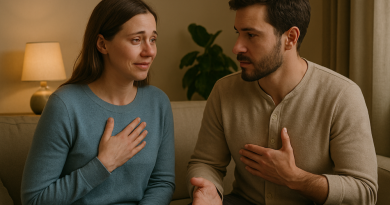
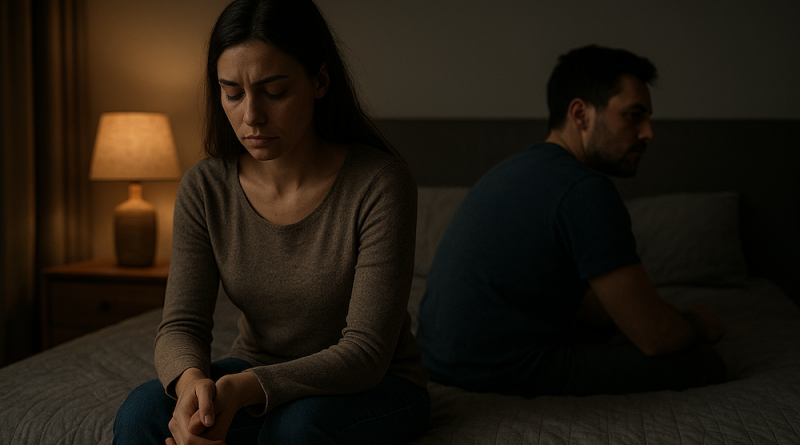
Marriage is often painted as the ultimate antidote to loneliness. After all, you now share life with someone who knows your secrets, your quirks, your daily routines. Yet, many couples silently carry a truth they feel ashamed to admit: you can be married and still feel deeply alone.
This kind of loneliness doesn’t come from being physically by yourself—it comes from emotional disconnection, unmet needs, or feeling unseen by the very person you share a bed with. And because society often tells us “you should be happy, you’re married,” it makes the silence even heavier.
Let’s talk about the loneliness no one talks about in marriage, why it happens, and what you can do to bridge the gap.
Why Does Loneliness Exist in Marriage?
Loneliness in marriage is often subtle. It’s not always about conflict, but about emotional distance. Some common reasons include:
- Lack of Emotional Intimacy
You may be sharing a home but not your inner world. Conversations may revolve around bills, chores, and kids—leaving little room for vulnerability. - Unmet Expectations
People often enter marriage believing their partner will “complete them.” But when reality doesn’t meet that expectation, disappointment can create distance. - Busy Lifestyles
Careers, kids, and family responsibilities can leave little time for meaningful connection. Partners may become teammates instead of lovers. - Conflict Avoidance
Instead of addressing disagreements, couples sometimes sweep things under the rug. Over time, unresolved issues pile up and create silent walls. - Different Attachment Styles
One partner may crave closeness while the other needs space, creating a push-pull dynamic that leaves both unsatisfied.
The Silent Pain of Feeling Lonely in Marriage
Loneliness in marriage can be more painful than loneliness while single. When you’re single, your solitude feels expected. But when you’re married, you’re supposed to feel connected—so the absence of that connection feels like rejection.
This silent struggle often leads to:
- Resentment (“Why can’t my partner see me?”)
- Self-doubt (“Is something wrong with me?”)
- Emotional withdrawal (“If I can’t be understood, I’ll stop trying.”)
This cycle deepens the very loneliness you’re trying to escape.
Signs You Might Be Lonely in Your Marriage
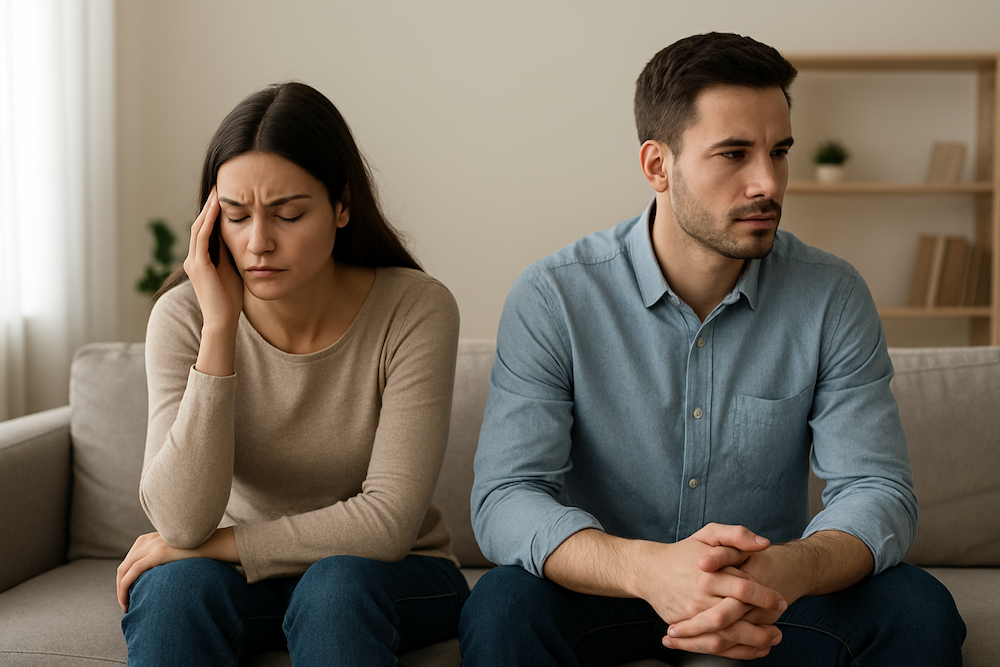
Not sure if what you’re experiencing is normal distance or deeper loneliness? Here are some signs:
- You don’t feel emotionally supported.
- Conversations feel shallow or transactional.
- You spend more time on your phone, work, or with friends than with your spouse.
- Physical intimacy feels rare or disconnected.
- You feel unheard or invisible in your relationship.
If these resonate, you’re not alone—and it doesn’t mean your marriage is doomed. It means there’s room for healing.
What to Do If You Feel Lonely in Marriage
- Start with Honest Conversations
Share how you feel without blaming. Use “I” statements like, “I feel disconnected when we don’t spend quality time together.” - Prioritize Emotional Connection
Make space for daily check-ins beyond logistics. Ask about each other’s feelings, dreams, or worries. - Revisit Shared Activities
Think back to what you enjoyed together when you first fell in love—whether it was cooking, traveling, or evening walks—and bring it back. - Seek Counseling Together
Sometimes, a neutral third party helps couples break unhealthy cycles and build healthier ways of connecting. - Work on Yourself Too
While connection is a two-way street, nurturing your own mental health and self-esteem ensures you don’t lose yourself while trying to “fix” things.
Why Talking About It Matters
Too many couples suffer in silence because they believe they shouldn’t feel lonely in marriage. But the truth is, this is more common than you think. Acknowledging it doesn’t mean failure—it means you care enough to want something better.
Remember, connection is built through intentional effort. Love doesn’t always fade on its own—it often just gets buried under the weight of responsibilities, distractions, and unspoken words.
If you’re struggling with emotional distance, you may also find comfort in reading about The Right Way to Fight: Healthy Conflict Tips for Couples and 7 Boundaries That Build Intimacy—Not Distance. Both can help you strengthen emotional closeness and bring warmth back into your relationship.
Final Thoughts
Marriage doesn’t automatically erase loneliness—it only changes its form. Feeling lonely in marriage doesn’t mean you married the wrong person; it often means there’s a need for deeper communication, healing, and effort from both partners.
Don’t suffer in silence. Recognizing loneliness is the first step toward change. With patience and intentional love, you can move from quiet distance back to closeness, where both of you feel seen, heard, and valued.
Additional Resources
The Loneliness No One Sees: When Your Marriage Is Just Going Through the Motions