
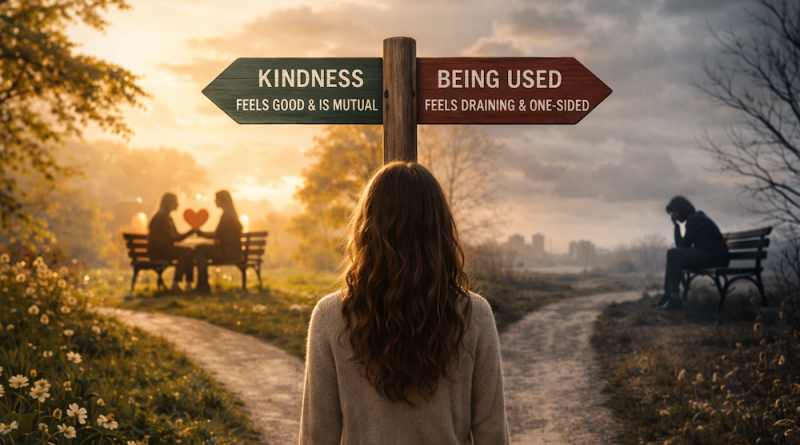
The Difference Between Being Kind and Being Used
Introduction: When Kindness Starts to Hurt
Kindness is often seen as a strength. It helps relationships feel safe, warm, and meaningful. However, there comes a point when kindness begins to feel heavy instead of fulfilling.
At first, everything feels natural. You show up, you support, and you give without hesitation. Over time, though, that same generosity may start to feel draining. Instead of feeling appreciated, you feel overlooked. Instead of feeling fulfilled, you feel exhausted.
So, a difficult question begins to surface:
Are you being kind, or are you being used?
What It Truly Means to Be Kind
Genuine kindness comes from intention, not pressure. In other words, you choose to give rather than feel forced to.
A kind person:
- Offers help without abandoning their own needs
- Sets limits without guilt
- Feels fulfilled after giving, not drained
- Supports others while still honoring personal boundaries
In healthy situations, kindness flows freely. More importantly, it doesn’t require self-sacrifice at the expense of your well-being.
What It Looks Like to Be Used
On the other hand, being used often hides behind the appearance of kindness. Initially, it may even feel like generosity. However, the pattern slowly changes.
For example:
- You constantly give more than you receive
- Saying no feels uncomfortable or even wrong
- Others reach out only when they need something
- Your needs rarely get acknowledged
- Emotional exhaustion becomes your norm
Ultimately, the difference becomes clear:
Kindness feels like a choice, while being used feels like a responsibility you can’t escape.
Why the Line Gets Blurred
Many people don’t notice when kindness turns into overgiving. This confusion often comes from a desire to maintain peace or avoid conflict.
In addition, emotional patterns play a role. If you often feel responsible for others’ feelings, you may struggle to step back. As a result, you keep giving, even when it costs you.
If you’ve ever felt unseen despite giving so much, this may resonate with you:
Related Read: Why Feeling Seen Matters More Than Grand Gestures in Relationships
The Emotional Cost of Being Used
Over time, being used takes a toll. It doesn’t just affect your energy—it slowly impacts how you see yourself.
You may begin to:
- Feel emotionally drained after simple interactions
- Question your value in relationships
- Develop silent resentment
- Lose clarity about your own needs
- Feel unappreciated despite your efforts
Meanwhile, others may still describe you as “kind,” which makes the experience even more confusing.
Signs You’re Being Used Instead of Appreciated

Recognizing the shift early makes a difference. Therefore, pay attention to these signs:
1. Guilt Follows Every Boundary
Whenever you try to say no, guilt immediately follows.
2. You Constantly Put Yourself Last
Even when you need rest, you still prioritize others.
3. People Expect, Not Appreciate
Over time, your kindness becomes something others assume.
4. Exhaustion Replaces Fulfillment
Instead of feeling good, you feel drained after giving.
5. Effort Feels One-Sided
You show up consistently, yet the same energy isn’t returned.
Clearly, these patterns signal imbalance—not kindness.
Why Boundaries Matter More Than You Think
Boundaries protect your kindness. Without them, giving quickly becomes overwhelming.
For instance, healthy boundaries allow you to:
- Say no without over-explaining
- Protect your time and energy
- Separate your emotions from others’ responsibilities
- Choose when and how you give
As a result, your kindness remains genuine instead of forced.
Why Some People Take Advantage
Not everyone intends to take advantage. Still, consistent overgiving can create unhealthy expectations.
Over time:
- People may rely on your availability
- They may stop checking in on your needs
- They may push limits simply because you allow it
Therefore, consistency matters. What you allow repeatedly often shapes how others treat you.
How to Shift From Overgiving to Healthy Kindness
Change doesn’t require becoming distant or cold. Instead, it involves becoming more aware and intentional.
Start With Small Steps:
Pause before agreeing
Take a moment before saying yes. This creates space for honest decisions.
Check your intentions
Ask yourself whether you truly want to help or feel obligated.
Accept discomfort
At first, saying no may feel unfamiliar. However, discomfort doesn’t mean you’re wrong.
Watch how people respond
Respectful people will adjust. Others may resist, which reveals important truths.
Build gradually
You don’t need to change everything at once. Small changes create lasting habits.
Letting Go of the Fear of Being “Selfish”
One common fear often shows up:
“If I change, people will think I’m selfish.”
That fear is understandable. However, growth often looks unfamiliar to others.
Choosing yourself means:
- Acknowledging your needs
- Respecting your limits
- Valuing your time and energy
Importantly, self-awareness is not selfishness—it’s emotional responsibility.
What Healthy Relationships Actually Feel Like
Balanced relationships feel different. Instead of constant giving, there is mutual care.
In healthy dynamics, you feel:
- Seen, not just needed
- Supported, not just relied on
- Appreciated, not overlooked
- Comfortable being yourself
For a deeper look at how small daily actions strengthen emotional connection, read:
Related Read: The Small Daily Habits That Strengthen Love
Relearning Balance Without Losing Yourself
Breaking the habit of overgiving takes time. Naturally, it may feel unfamiliar at first.
You might question your decisions. You may even feel like you’re doing something wrong. However, that feeling often comes from old patterns—not present truth.
Gradually, you begin to unlearn beliefs like:
- Love must be earned through sacrifice
- Your worth depends on what you give
- Saying no damages relationships
With time, healthier beliefs replace them.
You Can Still Be Kind—Just Differently
Kindness doesn’t need to disappear. Instead, it needs structure.
When practiced with awareness, kindness becomes:
- Intentional rather than automatic
- Balanced rather than draining
- Mutual rather than one-sided
As a result, you give without losing yourself in the process.
Final Thoughts: Choose Balance Over Burnout
You don’t have to choose between caring for others and caring for yourself.
Instead, aim for balance.
You can:
- Show compassion while maintaining boundaries
- Support others without neglecting your needs
- Love deeply without overextending yourself
In the end, awareness changes everything. Once you recognize the difference between kindness and being used, your choices become clearer.
And from that point forward, your kindness becomes something you control—not something that controls you.