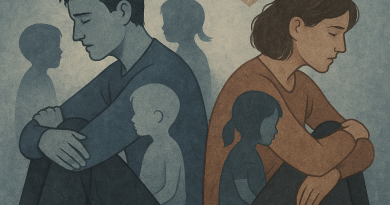

The Silent Relationship Killer: Emotional Invalidation
Introduction: The Wounds You Can’t See
You may not always notice it at first. It’s subtle. A joke when you open up. A sigh when you try to explain how you feel. Or a dismissive “You’re overreacting.” Over time, these little moments stack up—and before you know it, emotional safety is gone.
This silent erosion is called emotional invalidation, and it’s one of the most overlooked relationship killers.
If left unchecked, it can lead to resentment, loneliness, and even emotional disconnection. In this post, we’ll explore what emotional invalidation is, why it’s so damaging, how it shows up in relationships, and how you and your partner can break the cycle.
What Is Emotional Invalidation?
Emotional invalidation happens when someone dismisses, rejects, or minimizes your emotional experience. Instead of acknowledging your feelings, they might:
- Tell you to “stop being dramatic”
- Ignore your emotions completely
- Try to fix the problem without listening
- Compare your pain to others
- Make you feel guilty for expressing hurt
While these responses may seem minor or unintentional, they send a powerful message: “Your feelings don’t matter.”
In emotionally healthy relationships, validation—not agreement—is key. You don’t have to agree with your partner’s feelings to acknowledge them. But when feelings are routinely dismissed, people begin to shut down.
How Emotional Invalidation Slowly Damages Relationships
1. Loss of Emotional Safety
Emotional safety is the foundation of trust. Without it, vulnerability becomes risky, and communication starts to break down. When one partner feels emotionally unsafe, they may withdraw, lash out, or stop opening up entirely.
2. Erosion of Trust and Connection
When you’re constantly invalidated, trust begins to fray. You might think:
- “They don’t care how I feel.”
- “I can’t be myself around them.”
This creates distance, turning once-intimate relationships into emotionally cold partnerships.
3. Increased Conflict and Misunderstandings
Ironically, invalidation often leads to more emotional outbursts. Why? Because when emotions aren’t heard, they escalate. People start fighting just to be seen, leading to more tension and disconnection.
4. Low Self-Esteem and Internalized Shame
Emotional invalidation doesn’t just harm relationships—it can harm individuals, too. Over time, people begin to doubt their own emotions:
- “Maybe I am too sensitive.”
- “I shouldn’t feel this way.”
This can result in shame, self-silencing, and even depression.
Common Phrases That Invalidate Emotions
Some phrases sound harmless but are deeply invalidating:
- “You shouldn’t feel that way.”
- “It’s not a big deal.”
- “You’re just being emotional.”
- “That didn’t happen like you said.”
- “Stop crying—it’s not worth it.”
Even silence or walking away mid-conversation can be emotionally dismissive if done habitually.
Emotional Invalidation Isn’t Always Intentional
It’s important to recognize that many people who emotionally invalidate others don’t do it out of cruelty. Sometimes it stems from:
- Discomfort with emotions: They were taught to suppress their own.
- Fix-it mentality: They rush to solutions without listening.
- Lack of emotional vocabulary: They don’t know how to respond empathetically.
- Learned behavior: Their caregivers modeled this dynamic growing up.
This means there’s hope—with awareness and effort, emotional validation can be learned.
Signs You May Be In an Emotionally Invalidating Relationship
- You feel unheard or misunderstood frequently.
- You hesitate to bring up emotional issues.
- Your partner tells you you’re “too much” or “too sensitive.”
- You’re often left feeling alone in your emotional pain.
- You second-guess or suppress your own feelings.
If this feels familiar, it’s not about blaming—it’s about recognizing unhealthy patterns so you can address them.
What Healthy Emotional Validation Sounds Like

Validation doesn’t mean you agree—it means you acknowledge the other person’s reality. Here are some validating phrases that foster connection:
- “That sounds really hard. I’m here for you.”
- “I can see why you’d feel that way.”
- “Thanks for sharing that with me.”
- “It makes sense you’re upset.”
- “I may not fully understand, but I want to.”
How to Rebuild Emotional Safety in Your Relationship
1. Start with Awareness
The first step is recognizing emotional invalidation when it happens. Reflect on recent conflicts—were emotions dismissed or minimized? Were there missed opportunities for empathy?
2. Have a Compassionate Conversation
Use “I” statements to express your needs:
- “I feel dismissed when my emotions are called overreacting. I need to feel heard.”
Avoid blame. Focus on how the pattern makes you feel, not on accusing your partner.
👉 Related: How to Have Hard Conversations Without Ruining the Relationship
3. Practice Active Listening
Set the intention to listen without fixing. Try these steps:
- Maintain eye contact
- Repeat back what you heard
- Ask clarifying questions
- Resist the urge to defend or correct
4. Acknowledge Emotions, Even If They’re Different From Yours
You can say:
- “I may not feel the same way, but I understand this is how you feel, and I respect that.”
This is validation in action.
5. Seek Couples Therapy If Needed
Sometimes invalidation is deeply rooted in past trauma or communication issues. A couples therapist can help uncover the source and teach new tools to connect more empathetically.
Healing After Long-Term Invalidation
If you’ve been emotionally invalidated for years, you might struggle with emotional expression, boundaries, or trust. Healing involves:
- Reconnecting with your feelings: Journaling, therapy, or somatic work can help.
- Practicing self-validation: Remind yourself that your emotions are real and worthy.
- Surrounding yourself with emotionally safe people: Build relationships that support your emotional growth.
👉 You might also like: Reparenting Yourself: How to Heal the Inner Critic
If You’re the One Who Invalidates (Without Realizing It)
Don’t shame yourself. Emotional invalidation is often passed down generationally. Here’s how to change:
- Get curious, not defensive when someone expresses hurt.
- Pause before responding—ask yourself, “Am I acknowledging their emotions or brushing them off?”
- Learn emotional language—books, therapy, or emotional intelligence courses can help.
- Apologize when you slip up and recommit to empathy.
Final Thoughts: Love That Listens
Relationships thrive on emotional connection, and that begins with feeling seen. Emotional invalidation might be silent, but its damage is loud. The good news? Once you recognize it, you can begin to shift it.
By choosing to listen, validate, and show up with empathy, you can rebuild emotional safety—and from there, create a love that truly heals.
Additional Resources
Unmasking the Silent Killer: Emotional Invalidation in Narcissistic Relationships
5 Silent Relationship Killers that can cause Emotional Disconnection with your Partner