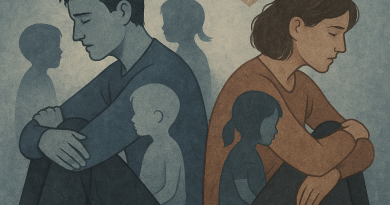

Healing Looks Like Losing Interest in Chaos
There comes a moment in healing when chaos stops feeling exciting.
The emotional highs and lows that once kept your attention begin to feel exhausting instead of passionate. Rather than craving constant validation, you start appreciating emotional stability. Gradually, you lose interest in chasing people who only show up when it benefits them. Most importantly, confusion no longer feels like love.
At first, this shift can feel unfamiliar.
If you spent years around emotionally unstable environments, toxic relationships, or unpredictable people, peace may initially seem strange. In some cases, calmness can even feel boring because your nervous system became used to survival mode.
However, healing slowly changes your relationship with chaos.
Eventually, you begin realizing that emotional instability is not normal. Drama is not proof of love, and anxiety is not the same thing as connection. Instead of constantly surviving emotionally, you start learning how to feel safe.
That is where real healing begins.
Why Chaos Can Feel Familiar
For many people, emotional chaos started long before adulthood.
Perhaps you grew up in a home filled with yelling, inconsistency, criticism, or emotional neglect. Maybe affection only came when you performed well or ignored your own needs. As a result, your mind may have learned to associate love with unpredictability.
Because of this, emotionally unavailable relationships can feel strangely familiar later in life.
Some people unconsciously chase unstable friendships, toxic partners, or emotionally draining environments because their nervous system became comfortable with stress. Meanwhile, healthy relationships may initially feel unfamiliar or even suspicious.
Nevertheless, healing interrupts those patterns.
Over time, you begin recognizing how exhausting it was to constantly live in emotional survival mode. Furthermore, emotional intensity stops feeling attractive once you realize that peace is healthier than unpredictability.
Healing Changes What You Tolerate
One major sign of healing is noticing that your tolerance level changes.
For example, mind games no longer feel attractive or exciting. In addition, disrespect becomes harder to ignore or excuse. Eventually, you also stop forcing yourself to stay connected to people who continuously drain you emotionally.
Rather than abandoning yourself to keep relationships, you start protecting your peace.
This shift may confuse some people around you. In fact, others may say you have changed, become distant, or act differently. However, what they often notice is that you are no longer participating in unhealthy cycles that once benefited them.
Growth can make unhealthy dynamics uncomfortable.
If setting emotional boundaries feels difficult, you may also relate to your recent post, “Pretending You Don’t Care… When You Actually Do,” which explores how suppressing emotions can affect your mental and emotional wellbeing.
Peace Starts Feeling More Attractive Than Drama
As healing deepens, different things begin to matter more.
Instead of craving constant excitement, you begin appreciating:
- Consistency
- Calm conversations
- Honest communication
- Stable relationships
- Emotional safety
- Rest without guilt
- Friendships that feel peaceful
Little by little, peace starts feeling more attractive than emotional chaos.
Many people who are used to dysfunction mistake healthy relationships for being boring because healthy love does not constantly trigger fear or anxiety. Yet healing helps you understand something important:
Love should not constantly hurt to feel real.
Likewise, healthy relationships do not require endless confusion, emotional chasing, or constant emotional exhaustion.
You Stop Chasing Emotionally Unclear People
Healing also changes the way you respond to inconsistency.
In the past, you may have overanalyzed delayed messages, mixed signals, or emotionally distant behavior. Perhaps you believed that if you loved harder, explained yourself better, or stayed longer, things would finally improve.
Eventually, though, that mindset begins to change.
Instead, you begin valuing clarity over confusion. Likewise, trying to convince people to care no longer feels necessary. Rather than shrinking yourself to maintain unstable relationships, you start choosing honesty and emotional safety.
As healing progresses, healthier questions begin replacing anxious thoughts:
- Does this relationship feel emotionally safe?
- Can I communicate honestly here?
- Am I constantly anxious around this person?
- Do I feel respected and valued?
These questions help you recognize that confusion is often a warning sign, not a challenge to overcome.
Healing Often Looks Quiet
Many people imagine healing as a dramatic transformation. In reality, healing is usually much quieter.
Sometimes healing looks like:
- Leaving draining conversations peacefully
- Resting without guilt
- Saying “no” without overexplaining
- Spending time alone without loneliness
- Choosing emotionally safe relationships
- Walking away from unnecessary conflict
- Refusing to react to every provocation
From the outside, these changes may appear small. Internally, however, they represent massive emotional growth.
The version of you that once tolerated chaos believed survival required constant emotional alertness. On the other hand, the healing version of you slowly learns that safety is allowed.
Not Every Battle Deserves Your Energy
As emotional growth continues, your perspective also changes.
At some point, arguing endlessly with people who refuse to understand you becomes emotionally exhausting. Similarly, chasing closure from emotionally unavailable people starts feeling pointless. Because of that, reacting to every criticism or provocation no longer feels worth your energy.
Healing teaches emotional discernment.
Instead of proving yourself everywhere, you begin protecting your mental and emotional wellbeing. Consequently, your peace becomes more valuable than unnecessary conflict.
That shift can completely change your life.
Your Nervous System Begins Craving Safety
Healing is not only emotional. In many ways, it is physical too.
Living in constant stress or emotional instability can keep your nervous system stuck in survival mode for years. Therefore, your body may become used to tension, anxiety, hypervigilance, and emotional unpredictability.
This is why peace can initially feel uncomfortable.
Some people unconsciously create chaos because stillness forces them to face emotions they have avoided for years. However, healing slowly teaches the body that safety is possible.
Consequently, environments filled with constant tension become less appealing. Naturally, your mind starts craving calmness and emotional stability. Eventually, chaos no longer feels necessary for you to feel alive or connected.
Although this process takes time, every healthy choice strengthens your emotional foundation.
Outgrowing Chaos Can Feel Lonely
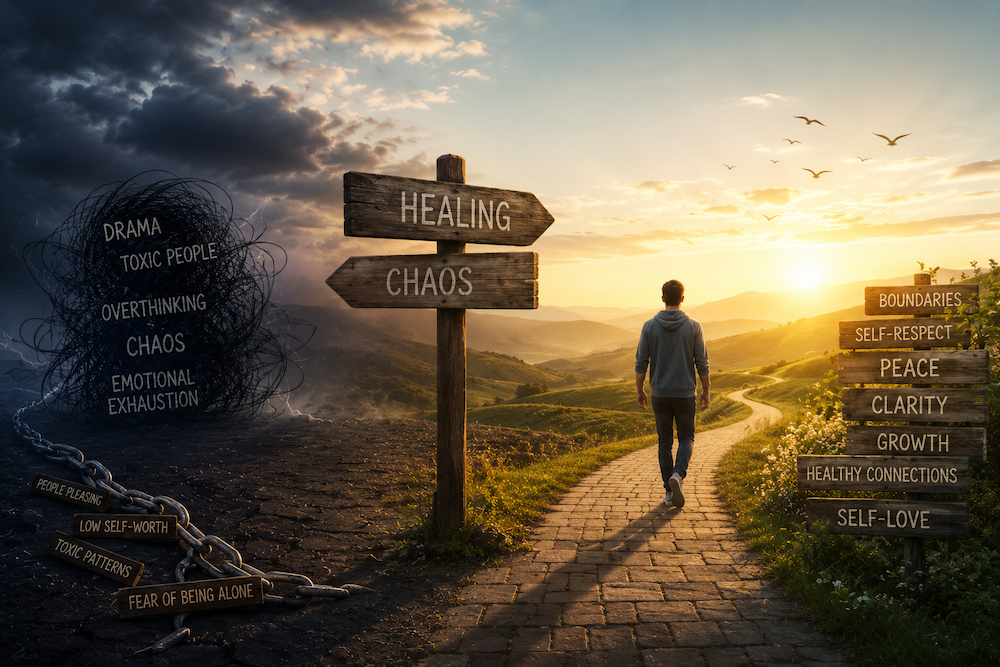
One painful part of healing is realizing that you may outgrow certain people or environments.
As you become healthier emotionally, some friendships may no longer feel aligned. Certain conversations may begin feeling draining or empty. Additionally, some people may become uncomfortable with your new boundaries because they benefited from your emotional exhaustion.
At times, this stage can feel lonely.
Still, healing often requires releasing patterns and relationships that continuously harm your peace. Outgrowing chaos does not mean you hate people. Rather, it means you are no longer willing to lose yourself to maintain unhealthy dynamics.
Eventually, healthier connections begin finding you too.
You may also relate to our recent post, “Societal Pressure on a Girl Child Being Single in Her 30s,” especially if you have ever felt emotionally drained from trying to meet other people’s expectations.
Healing Does Not Mean Life Becomes Perfect
Choosing peace does not mean life suddenly becomes easy.
There will still be painful moments, disappointments, stress, and heartbreak. However, healing changes how you respond during difficult seasons.
Instead of abandoning yourself, you become more emotionally aware. Rather than running toward unhealthy coping mechanisms, you begin handling emotions more intentionally. In addition, emotional setbacks stop defining your entire identity.
Healing is not becoming emotionless.
Rather, healing is learning how to experience emotions without destroying yourself in the process.
That difference matters deeply.
Protecting Your Peace Becomes a Priority
Eventually, you realize that peace is not something you accidentally find. Instead, it becomes something you intentionally protect.
Because of this growth, you become more mindful of:
- The people you allow close to you
- The conversations you entertain
- The environments you remain in
- The habits affecting your mental health
- The emotional patterns you continue repeating
For the first time, protecting your peace no longer feels selfish.
Instead, it feels necessary.
After spending years surviving emotional chaos, your mind and body finally begin craving stability, honesty, and rest.
Final Thoughts
Healing rarely looks dramatic from the outside.
Sometimes it simply looks like losing interest in things that once consumed your energy. The chaos no longer excites you. Emotional games stop feeling attractive. Constant instability becomes emotionally exhausting instead of familiar.
Although others may misunderstand your calmness, you understand something important:
Peace is not empty.
Peace is freedom.
The loudness of survival may have once felt normal, but healing introduces you to a softer way of living. Slowly, your nervous system begins relaxing. Your relationships become healthier. Most importantly, you stop abandoning yourself just to maintain connection.
That is not weakness.
That is growth.
Additional Resources
Healing Doesn’t Look Like Peace — It Looks Like Chaos First
Why Healing Feels Boring: The Unspoken Grief of Letting Go of Chaos