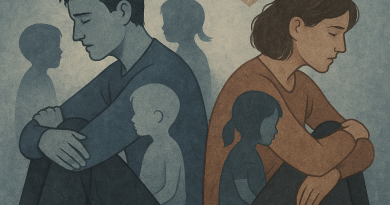

Being the “Good One” But Still Not Picked: The Silent Heartbreak No One Talks About
Introduction: When Good Isn’t Enough
Everything seemed right.
Kindness came naturally to you. Patience wasn’t forced. Communication felt honest and intentional. Instead of playing games, you chose clarity and consistency.
Still, despite all that effort… you weren’t chosen.
At the same time, someone else was picked—sometimes a person who appeared less invested or emotionally present. That contrast makes the experience even harder to process.
Naturally, a question begins to form:
If being good isn’t enough… then what really matters?
Many people quietly carry this confusion. Few talk about it openly.
What Does It Mean to Be “The Good One”?
For most people, being “the good one” reflects a pattern of admirable behaviors.
Typically, it includes:
- Choosing peace over unnecessary conflict
- Offering emotional support consistently
- Giving without keeping score
- Avoiding toxic patterns
- Showing up with sincerity
On the surface, these traits look like the perfect foundation for love. However, relationships don’t operate on goodness alone.
In reality, being good doesn’t automatically lead to being chosen.
The Pain of Being Passed Over
Unlike obvious rejection, this situation creates a deeper kind of confusion.
Nothing clearly “went wrong.” No betrayal happened. No major mistake explains the outcome. Yet, the ending still hurts.
As a result, your mind searches for answers:
- Was I too available?
- Did I try too hard?
- Should I have held back?
Over time, these questions begin to erode confidence. In addition, they can leave you feeling invisible—valued for what you give, but not deeply desired for who you are.
Why Being “Good” Doesn’t Always Get You Chosen
1. Attraction Goes Beyond Goodness
While kindness matters, attraction is layered.
Emotional chemistry, timing, personal preference, and compatibility all play a role. Because of this, someone may recognize your value and still not feel a strong connection.
In other words, the issue often lies in alignment—not worth.
2. Over-Giving Can Reduce Perceived Value
At first, giving your best feels like the right approach. However, when effort lacks boundaries, it can shift how others respond.
Consequently:
- Your presence becomes expected rather than appreciated
- Your effort feels ordinary instead of meaningful
- Your availability is taken for granted
Ironically, trying harder can sometimes make you less intentionally chosen.
3. Emotional Unavailability Plays a Role
In many cases, the pattern is tied to who you’re drawn to.
Some individuals naturally gravitate toward people who:
- Avoid commitment
- Send inconsistent signals
- Struggle with emotional depth
Under those circumstances, no level of effort can create readiness in someone who lacks it.
Therefore, the outcome isn’t a reflection of your inadequacy—it reflects their limitations.
4. Excessive Niceness Can Hide Authenticity
Kindness becomes a problem when it replaces honesty.
Suppressing your needs, avoiding disagreement, or constantly accommodating others can prevent real connection from forming. As a result, people experience your presence—but not your depth.
On the other hand, genuine intimacy requires authenticity, not perfection.
The Emotional Toll of Always Being “The Good One”
Over time, this experience builds emotional weight.
Gradually, you may begin to:
- Question your worth
- Feel drained from overgiving
- Develop quiet resentment
- Lose connection with your own needs
More importantly, a harmful belief can take root:
Love must be earned through effort.
The Truth You Need to Hear
Being a good person isn’t the issue.
Losing yourself in the process is.
Healthy love was never meant to require:
- Constant self-sacrifice
- Emotional suppression
- Endless proving
Instead, the right connection feels mutual and balanced.
How to Break the Cycle

1. Redefine What “Good” Means
Goodness should include self-respect.
Rather than overextending, focus on:
- Integrity
- Emotional honesty
- Balanced giving
In essence, kindness and boundaries can coexist.
2. Shift from Being Chosen to Choosing
A powerful mindset shift changes everything.
Instead of asking, “Why wasn’t I picked?”
consider asking, “Is this person right for me?”
That shift restores control and clarity. As a result, you begin making decisions from self-awareness rather than validation.
3. Set Boundaries Without Guilt
Although uncomfortable at first, boundaries create healthier dynamics.
For example:
- Saying no protects your energy
- Expressing needs builds clarity
- Walking away reinforces self-worth
Ultimately, boundaries don’t push the right people away—they reveal them.
For deeper insight, read “The Difference Between Being Kind and Being Used.”
4. Allow Authenticity to Lead
Perfection is not required for connection.
Sharing real thoughts, expressing genuine emotions, and allowing vulnerability create deeper bonds. As a result, the right person connects with the real version of you—not a filtered one.
5. Choose Consistency Over Potential
Potential often feels exciting, but it can be misleading.
Instead, focus on patterns of behavior. Consistency, not promises, builds trust and emotional safety.
In the long run, reality always matters more than possibility.
6. Release the Need to Earn Love
At the root of this pattern lies a belief:
Doing more will make me lovable.
However, healthy relationships don’t operate that way.
Love should feel natural and reciprocal—not something you constantly prove yourself worthy of.
If this resonates, explore “Signs You’re in a Peaceful, Not Just Passionate, Relationship.”
What Being Chosen Actually Feels Like
With the right person, the experience shifts noticeably.
Clarity replaces confusion. Effort becomes mutual. Emotional safety feels natural rather than forced.
Additionally:
- Communication flows easily
- Presence is valued, not tolerated
- Connection feels stable, not uncertain
In essence, being chosen brings peace—not anxiety.
Even So, It Still Hurts
Understanding the pattern doesn’t immediately remove the pain.
After all, it’s difficult to:
- Feel overlooked
- Accept that effort wasn’t enough
- Watch someone else be chosen
Nevertheless, pain often serves as redirection rather than failure.
You Were Never the Problem—Just Misplaced
The issue was never your kindness.
The love you gave wasn’t excessive. The effort you showed wasn’t wrong.
Instead, the mismatch came from where those qualities were invested.
Simply put, the wrong people will always make the right qualities feel like a burden.
Conclusion: You Don’t Need to Become Someone Else
Changing your core self isn’t the solution.
There’s no need to become distant, guarded, or emotionally unavailable just to be chosen. Likewise, pretending to be someone else will only create temporary connections.
What truly matters is this:
- Walking away from what doesn’t choose you
- Recognizing what healthy love looks like
- Trusting that you deserve to be fully desired
Eventually, the pattern breaks.
One day, you won’t be overlooked or second-guessed. Instead, you’ll be chosen clearly, consistently, and intentionally.
At that point, everything becomes clear:
It was never about being good enough.
It was always about being aligned with the right person.