
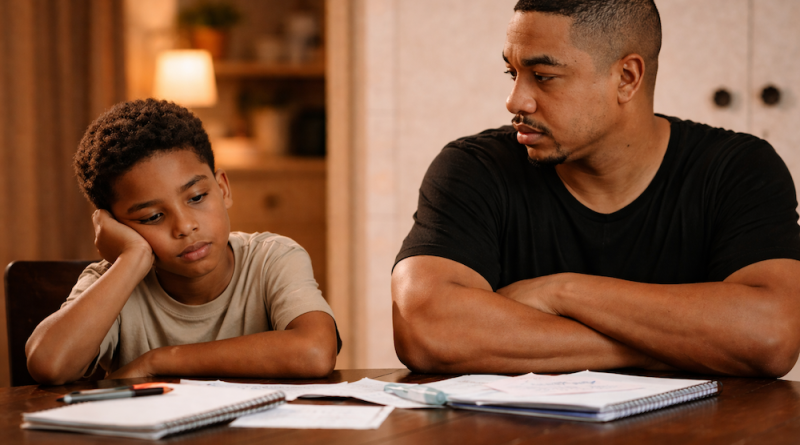
Why Many Fathers Keep Emotional Distance—and How It Affects Their Kids
Emotional closeness with a father can shape a child’s sense of security, self-worth, and future relationships. Yet, many fathers struggle to connect on a deep emotional level with their children. Psychology research shows that this emotional distance is not necessarily a flaw in their personality. Instead, it is often a learned survival strategy—one passed down through generations of men who were taught that showing vulnerability was weakness. The consequences, however, are felt deeply by their children, who inherit an “emotional debt” that can linger well into adulthood.
The Roots of Fatherly Emotional Distance
Emotional distance in fathers often originates from societal and cultural conditioning. Men are frequently taught, consciously or unconsciously, that expressing emotions is a sign of fragility. From childhood, boys may hear phrases like “boys don’t cry” or “man up,” which discourages emotional expression.
For many men, these early lessons are reinforced at home. Fathers who were themselves raised in emotionally restrained households often repeat the pattern, not out of neglect, but because emotional suppression was a survival mechanism. In difficult or unstable environments, showing feelings could have meant vulnerability, exploitation, or shame. Over time, these patterns become internalized, forming a protective shield that inadvertently creates emotional distance from their children.
This pattern also connects to a broader struggle many men face in adulthood—opening up emotionally. If you want to understand this more deeply, you may also enjoy reading Related Read: Why Men Struggle to Ask for Emotional Help, which explores how emotional suppression affects men later in life.
The Consequences for Children
Children are highly perceptive and sensitive to parental cues. When a father maintains emotional distance, it can affect a child in several ways:
- Attachment Challenges
Children learn how to relate to others through early attachment experiences. When a father is emotionally distant, children may develop insecure attachment styles—either anxious, avoidant, or a mix of both. This can affect their future romantic relationships, friendships, and even how they relate to authority figures. - Self-Esteem and Identity
Fathers often serve as role models for self-worth and confidence. Emotional unavailability can make children feel unseen or undervalued, leading to struggles with self-esteem and self-expression. - Emotional Regulation Difficulties
Kids learn to manage emotions by observing their parents. A father who suppresses his feelings inadvertently teaches his child to hide or ignore theirs, making it harder for them to navigate stress, conflict, or vulnerability later in life. - Cycle of Emotional Distance
Children raised with emotionally distant fathers may repeat the pattern with their own children or partners. The cycle continues unless consciously addressed, which is why understanding this pattern is so important.
Interestingly, many adults who struggle with emotional connection later in life are often carrying unresolved childhood experiences. This is where inner healing becomes essential. You may find it helpful to read Related Read: Reparenting Yourself: How to Heal the Inner Critic, which explains how childhood emotional gaps can shape adult behavior and how to heal from them.
Breaking the Pattern
The good news is that emotional distance is not permanent, and fathers can unlearn these patterns. Becoming emotionally available requires intention, patience, and practice. Here are some practical ways fathers can start building closeness with their children:
- Recognize Your Patterns
Awareness is the first step. Understanding that emotional distance is often a learned behavior—not a character flaw—helps reduce guilt and opens the door to change. - Start Small
Fathers don’t need to overhaul their behavior overnight. Simple acts—like asking about a child’s day, sharing a story from their own childhood, or expressing appreciation—can slowly build emotional bridges. - Practice Emotional Expression
Men can learn to express feelings in safe, nonjudgmental ways. Journaling, therapy, or support groups can help fathers explore their emotions and become more comfortable sharing them with their children. - Be Present
Emotional closeness is less about grand gestures and more about consistent presence. Listening actively, engaging in shared activities, and showing up for milestones strengthens the father-child bond. - Seek Support if Needed
Professional guidance from therapists or counselors can help fathers navigate generational trauma, attachment issues, or past wounds that may interfere with emotional availability.
The Ripple Effect of Emotional Closeness
When fathers break the cycle of emotional distance, the impact on their children is profound. Children grow up feeling seen, valued, and capable of healthy emotional expression. They are more likely to build secure attachments in their relationships and demonstrate empathy and emotional resilience.
Moreover, emotionally engaged fathers model healthy masculinity. Boys learn that expressing feelings is not weakness, while girls see men who can balance strength with sensitivity. This contributes to healthier, more balanced adult relationships and a society that values emotional intelligence across genders.
Generational Healing Starts Today

Emotional distance is not destiny. Many fathers are choosing to break free from outdated notions of masculinity, learning that vulnerability fosters connection rather than weakness. Understanding the historical and psychological roots of this distance can help parents stop repeating patterns and provide children with the emotional support they deserve.
By consciously modeling emotional openness, fathers not only repair their relationship with their children but also contribute to a generational shift—one where empathy, vulnerability, and love are not feared but celebrated.
Additional Resources
A Father’s Impact on Child Development
Breaking the Cycle: Healing From an Emotionally Distant Father