
Why Emotional Safety Matters More Than Chemistry
Love stories often begin with sparks. Your heart races. Conversations flow effortlessly. The attraction feels magnetic.
However, while chemistry can light the fire, emotional safety keeps it burning.
In fact, emotional safety in relationships is the true foundation of lasting love. Without it, even the strongest chemistry eventually fades into confusion, anxiety, or emotional distance.
So let’s talk about what really sustains a relationship — and why emotional safety matters more than chemistry.
What Is Emotional Safety in Relationships?
Emotional safety means you feel secure being your true self with your partner. You can share your thoughts, fears, dreams, and even mistakes without fear of ridicule, rejection, or punishment.
In other words, you don’t have to perform. You don’t have to pretend. You don’t have to shrink.
Instead, you feel:
- Heard without interruption
- Respected during disagreements
- Accepted even when imperfect
- Supported during vulnerable moments
By contrast, chemistry is about attraction. It’s the spark. The tension. The excitement. And while that spark feels powerful, it does not automatically create emotional security.
Therefore, the real question becomes: Would you rather feel butterflies — or feel safe?
The Difference Between Chemistry and Emotional Safety
Chemistry is instant. Emotional safety is built.
Chemistry is thrilling. Emotional safety is calming.
Chemistry pulls you in. Emotional safety helps you stay.
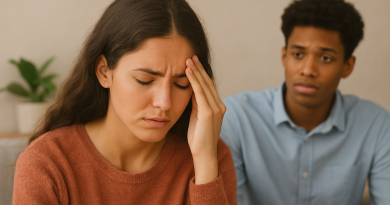
For example, you might meet someone who makes your pulse quicken. The banter is electric. The physical attraction is intense. Yet, when conflict arises, they shut down, dismiss your feelings, or make you feel “too much.”
That’s chemistry without safety.
On the other hand, you might meet someone who feels steady. The connection grows slowly. Conversations are honest. When you express concerns, they listen. When you cry, they don’t withdraw.
That’s emotional safety.
And while it may not always feel dramatic, it feels secure.
Why Chemistry Alone Can Be Misleading
At the beginning of a relationship, chemistry often masks red flags. Because you feel drawn to someone, you may overlook emotional inconsistency, poor communication, or lack of accountability.
Moreover, chemistry can sometimes be mistaken for anxiety. If someone triggers your attachment wounds, the intensity can feel like passion. But intensity is not always love.
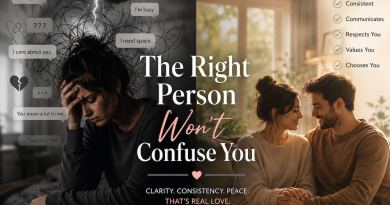
In fact, if you constantly feel unsure where you stand, overthink their texts, or fear expressing your needs, that is not romance — it’s instability.
If this sounds familiar, you may also want to read:
Related Read: Attachment Styles in Love: How They Shape Your Relationships
Understanding attachment patterns can help you see whether your “chemistry” is actually unresolved emotional patterns playing out.
Why Emotional Safety Creates Lasting Love
Emotional safety builds trust. And trust builds intimacy.
When you feel safe with someone:
- You communicate more openly.
- You resolve conflict more effectively.
- You recover from misunderstandings faster.
- You grow individually and together.
Furthermore, emotional safety reduces anxiety within the relationship. Instead of constantly wondering, “Do they still want me?” you feel secure in their commitment.
Because of that security, love deepens naturally.
Additionally, emotional safety strengthens resilience. Every relationship faces stress — financial pressure, family tension, career challenges. However, couples who feel emotionally safe can navigate storms without tearing each other down.
Signs Your Relationship Has Emotional Safety
You may have emotional safety if:
- You can disagree without fear of abandonment.
- Your partner apologizes when wrong.
- You feel comfortable expressing your needs.
- You don’t feel the need to constantly impress them.
- Your vulnerabilities are treated with care, not weaponized later.
Notice something important: none of these signs are about butterflies. They’re about stability.
And stability may not trend on social media, but it sustains real love.
Why Emotional Safety Feels “Less Exciting” at First
Here’s the truth many people don’t talk about: emotional safety can feel unfamiliar if you’re used to chaos.
If you’ve experienced inconsistent love before, calm might feel boring. You may unconsciously crave drama because it feels familiar.
However, healthy love is not meant to feel like a rollercoaster. It feels steady. Predictable. Secure.
That doesn’t mean passion disappears. Instead, passion grows from trust rather than fear.
How to Build Emotional Safety in Your Relationship
The good news is this: emotional safety is not luck. It is built intentionally.
1. Practice Consistent Communication
Say what you mean. Mean what you say. Follow through.
Consistency reduces anxiety. When your words and actions align, your partner feels secure.
2. Validate Feelings (Even When You Disagree)
You don’t have to agree with every emotion. However, you can acknowledge it.
For example:
“I don’t see it that way, but I understand why that hurt you.”
That sentence alone can transform conflict.
3. Avoid Weaponizing Vulnerability
If your partner shares something painful, never use it later to win an argument. Once safety is broken, rebuilding it takes time.
4. Take Accountability
Healthy love includes humility. Saying “I was wrong” strengthens safety more than defending ego ever will.
5. Regulate Before Reacting
If you’re overwhelmed, pause before responding. Emotional regulation prevents unnecessary damage during heated moments.
If you struggle with constant conflict, you may also find this helpful:
Related Read: The Right Way to Fight: Healthy Conflict Tips for Couples
Learning how to fight fairly is essential for protecting emotional safety.
Emotional Safety and Intimacy
Interestingly, emotional safety actually enhances physical chemistry over time.
When you feel emotionally secure, your nervous system relaxes. You’re more present. More open. More connected.
As a result, intimacy deepens.
On the contrary, when you feel emotionally unsafe, your body may stay in stress mode. Even physical closeness can feel distant.
Therefore, if you want lasting passion, prioritize emotional safety first.

When Chemistry and Emotional Safety Coexist
Of course, the goal is not to choose one over the other forever. The healthiest relationships often have both.
However, chemistry without safety is unstable.
Safety without any attraction may feel platonic.
But when emotional safety forms the foundation, chemistry becomes sustainable rather than chaotic.
It feels warm instead of overwhelming.
Steady instead of stressful.
Deep instead of dramatic.
Questions to Reflect On
If you’re currently in a relationship, ask yourself:
- Do I feel safe sharing hard truths?
- Can I express disappointment without fear?
- Do I feel calm more often than anxious?
- Is our connection built on trust or tension?
Your answers will reveal whether emotional safety exists — or needs strengthening.
Why Emotional Safety Matters in Long-Term Commitment
In long-term relationships and marriage, excitement naturally evolves. Life becomes fuller — work, responsibilities, family.
During those seasons, what sustains love is not constant butterflies. It’s emotional security.
It’s knowing your partner is on your side.
It’s feeling respected during disagreements.
It’s trusting that vulnerability will be protected.
That’s why emotional safety matters more than chemistry. Chemistry may attract you. But safety keeps you.
Final Thoughts
Attraction might start the story. However, emotional safety determines how it ends.
If you constantly feel anxious, uncertain, or afraid to speak up, no amount of chemistry can compensate for that instability.
On the other hand, when you feel emotionally safe, love becomes a place of rest rather than tension.
So instead of asking, “Do we have sparks?”
Start asking, “Do I feel safe here?”
Because real love is not just about butterflies in your stomach.
It’s about peace in your heart.