
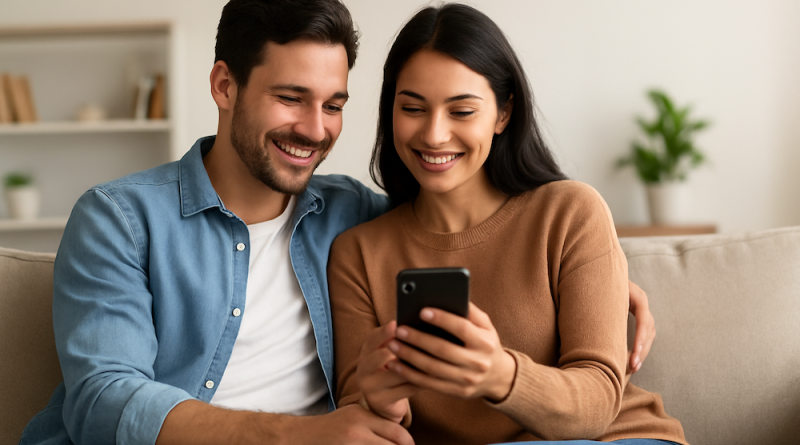
Love, Trust, and Privacy: The Password Dilemma in Relationships
Introduction: When Love Meets Passwords
We live in a digital age where so much of our lives are locked behind a password. From banking apps to social media accounts, our smartphones have become little vaults of information. But when it comes to love and commitment, many couples face the same pressing question: should you share your passwords with your spouse?
For some, sharing passwords is a symbol of trust, intimacy, and “having nothing to hide.” For others, it feels like crossing a boundary—an invasion of privacy that can harm the relationship more than help it.
This is what I call the password dilemma in relationships: balancing love and trust with the need for healthy personal boundaries. Let’s dive deeper.
Why Couples Share Passwords
There are several reasons people willingly hand over their passwords in marriage or long-term partnerships.
1. A Symbol of Trust
For many, sharing passwords is like saying: “I trust you with everything, even my private life.” It can feel reassuring for couples who value transparency.
2. Safety and Emergencies
Some spouses share passwords in case of emergencies. If one partner can’t access important emails, medical information, or financial records, the other can step in quickly.
3. Reassurance in Insecure Moments
Let’s be real—sometimes insecurity plays a role. If a partner has doubts or fears of betrayal, being able to “check” things may offer temporary reassurance.
4. Practical Convenience
From paying bills to managing Netflix accounts, sharing passwords sometimes just makes life easier.
Why Some Choose Not to Share Passwords
On the flip side, many couples feel strongly about keeping their passwords private—and it doesn’t mean they are hiding something.
1. Privacy Is Not Secrecy
Privacy and secrecy are not the same. Wanting your own password doesn’t mean you have something to hide; it means you want to keep personal space in the relationship.
2. Healthy Boundaries Build Respect
Boundaries allow individuality to exist within love. Maintaining separate digital spaces can actually make couples respect each other more.
3. Preventing Misunderstandings
Scrolling through messages out of context can easily lead to unnecessary conflicts. A private password can prevent misunderstandings that don’t need to happen.
4. Reducing Dependency
Having your own accounts and digital independence ensures that each partner feels whole and capable on their own.
The Trust vs. Privacy Debate
At the heart of the password dilemma in relationships lies a tricky balance. Trust is essential in marriage. But so is maintaining some level of personal autonomy.
Consider these two truths:
- Without trust, a relationship crumbles.
- Without boundaries, a relationship suffocates.
The healthiest partnerships are those where both partners trust each other enough not to need full access—while also feeling secure enough to offer it when necessary.
What Experts Say
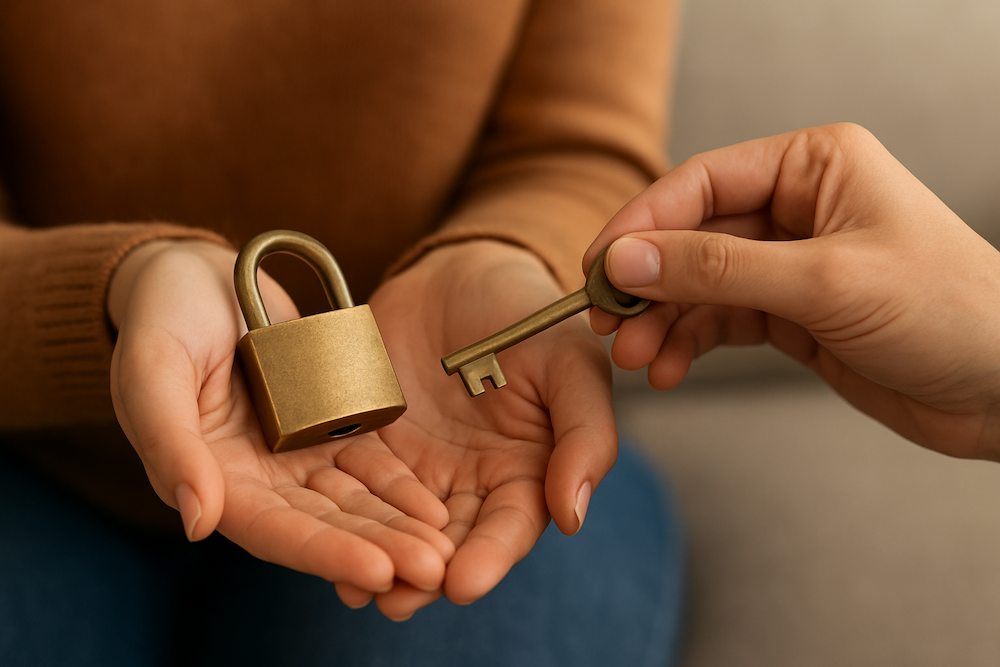
Relationship therapists often emphasize that password sharing should never be forced or demanded. Instead, it should be a mutual choice rooted in trust and respect.
- If one partner demands passwords to “check up” on the other, it may signal deeper issues of control or insecurity.
- If both partners feel comfortable and agree to share passwords, then it can be fine—as long as it’s voluntary and not a test of loyalty.
The key? Consent and communication.
Healthy Alternatives to Sharing Passwords
If you and your partner struggle with this dilemma, here are some healthier ways to handle it:
- Talk about your fears honestly. Instead of demanding access, explain why you feel uneasy.
- Create emergency access. You might write down critical logins for safety purposes but keep them sealed unless needed.
- Practice radical honesty. Build trust through open conversations, not digital surveillance.
- Set boundaries together. Decide what level of privacy feels comfortable for both of you.
Red Flags in the Password Conversation
Sometimes, the conversation about passwords is a sign of deeper relational issues. Watch out for these red flags:
- Control disguised as love: A partner insisting on having your passwords “because we’re married” may be trying to control you.
- Accusations without evidence: If suspicion drives the password request, trust may already be broken.
- Fear of saying no: If you feel pressured to give in, that’s a boundary violation.
👉 You might also like: People-Pleasing in Relationships: Why It Happens and How to Stop
👉 Related: Attachment Styles in Love: How They Shape Your Relationships
Finding Your Balance
So, should you give your spouse your password? The truth is, there is no one-size-fits-all answer. Some couples thrive with complete transparency, while others maintain healthy privacy and independence.
What matters most is:
- Mutual agreement rather than forced compliance.
- Trust and communication rather than suspicion and control.
- Respecting boundaries rather than blurring them.
The password dilemma in relationships isn’t really about passwords at all—it’s about love, trust, and respect.
Conclusion: Passwords Don’t Define Love
At the end of the day, giving or keeping your password doesn’t determine the strength of your relationship. What defines love is how well you communicate, how much you trust, and how you respect each other’s individuality.
The healthiest relationships find a middle ground—where partners feel safe, secure, and free. Passwords may open doors, but trust keeps hearts open.
Additional Resources
15 Ways Shared Passwords Are Hurting Your Relationship Without You Noticing