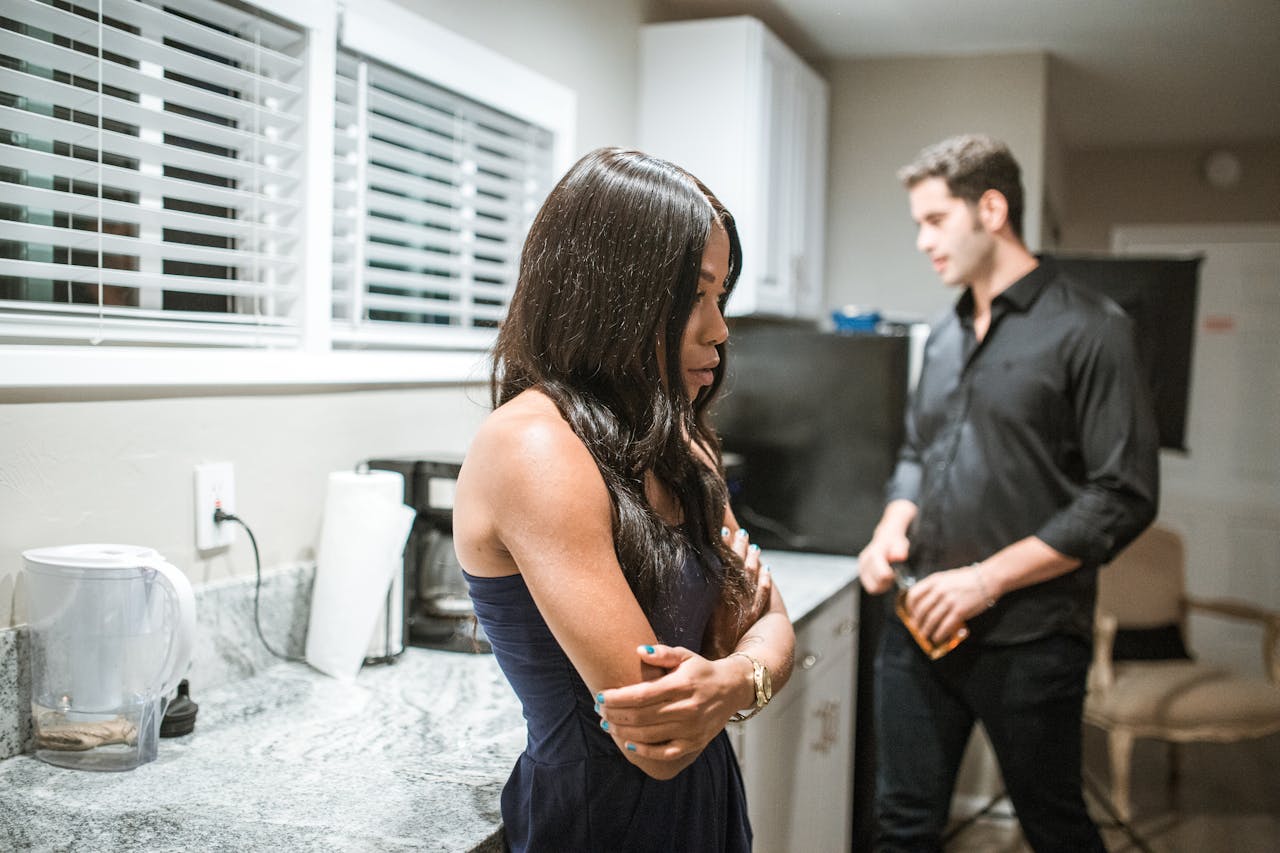

This Is Why Your Relationships Keep Failing
Have you ever asked yourself, “Why do my relationships keep failing?”
At first, a breakup feels like bad luck. After the second one, it feels like poor timing. However, after repeated heartbreak, doubt begins to settle in.
You start wondering whether the common denominator is you.
If your relationships keep failing, the reason is rarely just about choosing the wrong partner. Instead, deeper emotional patterns often shape your experiences in love. Therefore, before blaming fate, it helps to examine what may be happening beneath the surface.
Let’s explore what could be keeping you stuck in this cycle.
1. You Choose What Feels Familiar — Not What Is Healthy
Many people believe they are attracted to kindness, stability, and maturity. However, attraction often follows familiarity rather than health.
For example, if you grew up around emotional inconsistency or criticism, that dynamic may feel strangely normal. As a result, you might feel drawn to partners who recreate similar emotional experiences.
Although you consciously desire peace, your nervous system may interpret chaos as chemistry. Consequently, calm love can feel boring, while emotional ups and downs feel exciting.
Until you recognize this pattern, you may continue reliving the same relationship with different people.
If this sounds familiar, read Related Read: Attachment Styles in Love: How They Shape Your Relationships to understand how early emotional bonds influence who you choose.
2. You Ignore Red Flags Because You Fear Being Alone
In many cases, relationships do not fail suddenly. Instead, warning signs appear early.
Perhaps they avoided accountability. Maybe they dismissed your concerns. Alternatively, they showed inconsistency from the beginning.
Even so, you stayed.
Why? Because starting over felt overwhelming. Because loneliness felt heavier than uncertainty. Because hope convinced you things would change.
Unfortunately, ignoring red flags does not protect love. On the contrary, it postpones pain.
Healthy relationships require boundaries. Without them, resentment slowly builds. If setting boundaries feels difficult, you may benefit from Related Read: 7 Boundaries That Build Intimacy—Not Distance, which explains why standards strengthen relationships rather than sabotage them.
3. You Confuse Intensity With Intimacy
Strong emotions can feel like deep connection. However, intensity is not the same as intimacy.
Fast attachment, constant texting, dramatic declarations, and emotional highs may feel passionate at first. Nevertheless, those experiences often lack stability.
Intimacy, by contrast, develops gradually. It grows through honesty, consistency, and emotional safety. Therefore, when a relationship begins at full speed, it may struggle to maintain balance.
If your relationships keep failing after intense beginnings, slowing down could change everything.
4. You Avoid Difficult Conversations
Conflict avoidance may seem peaceful. However, silence often creates distance rather than harmony.
When concerns go unspoken, frustration builds quietly. Eventually, that hidden tension erupts. As a result, minor misunderstandings turn into major emotional disconnects.
In healthy relationships, both partners address uncomfortable topics early. Although those conversations feel awkward, they prevent long-term damage.
In other words, communication is not about talking more. Instead, it is about speaking honestly before resentment grows roots.
5. You Love From Insecurity Instead of Confidence
Sometimes relationships fail because fear quietly drives behavior.
If you believe you are not enough, you may overcompensate. For instance, you might over-give, over-apologize, or tolerate behavior that hurts you. In addition, you may seek constant reassurance to feel secure.
Over time, this imbalance creates exhaustion for both partners.
Rather than loving freely, you begin performing for approval.
Healthy love does not require proving your worth. Instead, it thrives when both individuals feel secure within themselves.

6. You Expect a Relationship to Heal You
Relationships can support growth. However, they cannot replace personal healing.
If loneliness, insecurity, or unresolved trauma existed before the relationship began, a partner cannot permanently fix those wounds. Consequently, unrealistic expectations create pressure.
Instead of feeling like a partnership, the relationship becomes a rescue mission.
Emotional responsibility begins internally. Therefore, healing your own wounds allows love to feel lighter rather than overwhelming.
7. You Do Not Fully Know Yourself Yet
Clarity protects your heart.
Without self-awareness, attraction becomes your main decision-making tool. However, chemistry alone cannot sustain compatibility.
For example, you may not yet know your deal-breakers, long-term goals, or emotional needs. As a result, you choose partners who align with your feelings — not your values.
Over time, misalignment surfaces. Then the relationship struggles under unmet expectations.
The more clearly you understand yourself, the more intentionally you choose.
8. You Stay Too Long After It Stops Working
Not all breakups mean failure. Sometimes endings are necessary.
Nevertheless, staying long after respect fades or trust erodes creates deeper damage.
When effort becomes one-sided or emotional safety disappears, prolonging the relationship rarely restores it. Instead, it drains self-worth.
Choosing to leave at the right time is not weakness. On the contrary, it demonstrates growth.
9. You Are Repeating Unhealed Patterns
Unprocessed pain often recreates familiar outcomes.
If abandonment fears remain unresolved, you may cling tightly. Consequently, your partner feels overwhelmed. Alternatively, if rejection feels unbearable, you might leave first to protect yourself.
Although those reactions feel protective, they often create the very outcome you fear.
Patterns feel like fate. However, most cycles are simply unhealed wounds seeking resolution.
Healing disrupts repetition.
Is It All Your Fault?
Not necessarily.
Compatibility matters. Timing matters. Emotional readiness matters.
However, growth begins when self-awareness increases.
Instead of asking, “Why do my relationships keep failing?” consider asking, “What is this experience teaching me?”
That shift changes the narrative from blame to empowerment.
How to Finally Break the Cycle
Breaking patterns requires intention.
First, slow down new relationships. Observe consistency over time rather than relying solely on emotion.
Second, reflect after every breakup. Identify lessons instead of assigning blame.
Third, strengthen your boundaries. Standards protect your peace.
Fourth, invest in healing before re-entering the dating space. Emotional independence makes love healthier.
Finally, choose character over chemistry. While chemistry attracts, character sustains.
The Real Reason Your Relationships Keep Failing
Often, repeated heartbreak is not proof that you are unlovable. Instead, it signals unconscious habits shaping your choices.
Fortunately, patterns can change.
As awareness grows, decisions improve. When boundaries strengthen, self-respect increases. Furthermore, when healing deepens, attraction shifts toward healthier partners.
Eventually, love begins to feel different.
Instead of chaos, it feels calm. Instead of anxiety, it feels secure. Instead of confusion, it feels aligned.
Final Thoughts
If your relationships keep failing, do not let shame define your story.
Rather than viewing past love as wasted time, see it as information. Every relationship reveals something about your needs, fears, and growth areas.
Most importantly, remember this: awareness is the turning point.
Once you recognize your patterns, you gain the power to change them.
And when you change, your relationships will change too.