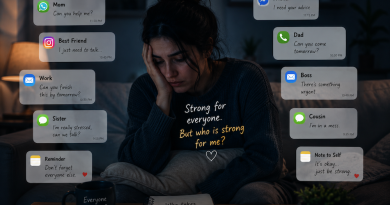

When Privacy Feels Like Distance: Navigating Space in Relationships
Introduction
Every relationship needs a balance between closeness and individuality. While partners crave intimacy, they also need room to breathe. But here’s the tricky part: when one partner seeks privacy, the other may interpret it as distance or even rejection. This tension can quietly create conflict if left unchecked.
So, how do you tell the difference between healthy privacy and harmful emotional distance? And more importantly, how can couples navigate this delicate space without drifting apart? Let’s dive in.
Why Privacy Matters in Relationships
Privacy in relationships often gets misunderstood. Many assume that loving someone means sharing every thought, password, and detail of your life. But in reality, healthy love respects boundaries.
- Privacy supports individuality. You are still your own person, even in a committed relationship.
- It builds trust. Allowing your partner space shows that you believe in their loyalty without constant monitoring.
- It prevents codependency. Too much closeness without space can feel suffocating, leaving no room for personal growth.
Think of it this way: a healthy relationship is like a garden. The plants (you and your partner) grow best when each has its own space, sunlight, and nourishment—yet both thrive in the same soil.
When Privacy Starts to Feel Like Distance
Not all forms of privacy are healthy. Sometimes, what starts as “I just need a little space” can feel more like emotional withdrawal. Signs that privacy may be turning into distance include:
- Reduced communication and openness
- Avoidance of emotional or physical intimacy
- Withdrawing during times of conflict instead of working through issues
- Increased secrecy that goes beyond healthy boundaries
When left unchecked, these patterns can create insecurity. One partner might start thinking: Are they hiding something? Are they losing interest in me?
The key is recognizing whether privacy is being used as a tool for self-care or as a shield for emotional disconnection.
The Difference Between Privacy and Secrecy
It’s essential to distinguish privacy from secrecy:
- Privacy = a healthy boundary, like keeping a journal, wanting alone time, or not sharing every detail of your day.
- Secrecy = withholding important truths that affect the relationship, such as financial decisions, hidden friendships, or emotional affairs.
The first is about self-protection and individuality. The second erodes trust.
How to Respect Privacy Without Feeling Shut Out
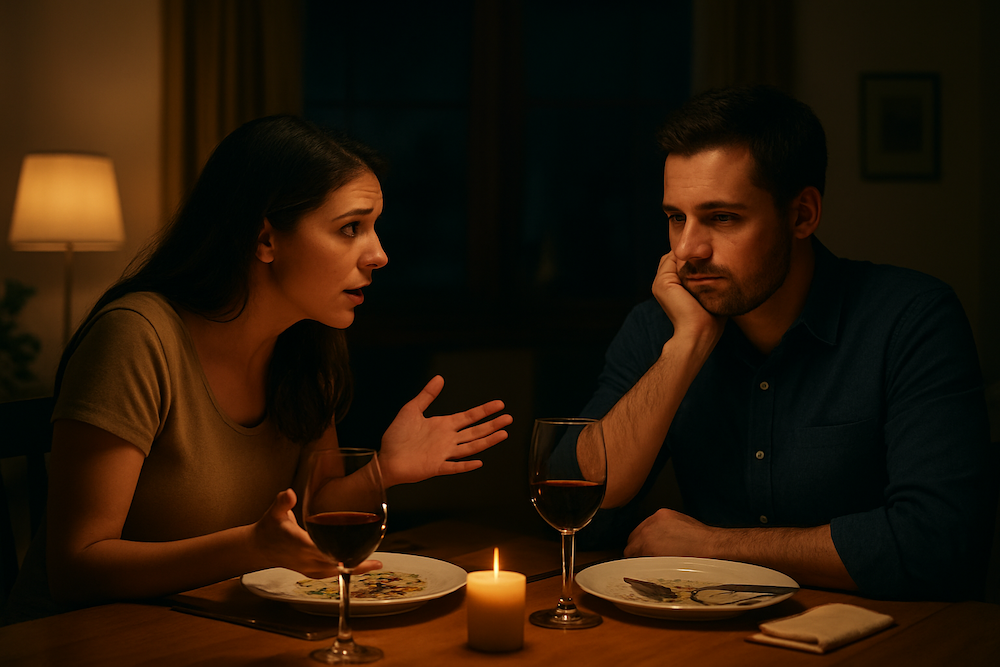
Balancing privacy and intimacy takes intentional effort. Here are a few ways couples can respect space without feeling emotionally distant:
1. Talk About Boundaries Openly
Instead of assuming, discuss what privacy means to each of you. Does it mean time alone? Not sharing every password? Having personal hobbies? Clarify these differences so neither partner feels rejected.
(Related read: Love, Trust, and Privacy: The Password Dilemma in Relationships)
2. Create Rituals of Connection
If your partner values alone time, balance it with intentional moments of connection—like a daily check-in, shared meal, or nightly walk. This way, privacy doesn’t feel like abandonment.
3. Reassure Each Other Regularly
Words of affirmation and gestures of love help prevent insecurities. A simple “I love you, I just need a quiet evening to recharge” can turn what feels like distance into an act of self-care.
4. Watch Out for Avoidance Patterns
If your partner consistently avoids discussing issues under the banner of “privacy,” it may signal deeper emotional distance. Gentle but honest conversations are key to addressing this.
Common Triggers That Make Privacy Feel Like Distance
Certain situations can heighten sensitivity around space in relationships:
- Attachment styles. Someone with an anxious attachment style may view alone time as rejection, while someone with an avoidant style may crave it for security.
- Past betrayals. If a partner has experienced dishonesty in past relationships, privacy can feel threatening instead of neutral.
- Stressful seasons. Work, parenting, or personal struggles can make one partner crave more alone time, unintentionally leaving the other feeling neglected.
Understanding these triggers can help couples respond with empathy instead of defensiveness.
Navigating the Conversation
If you’re starting to feel shut out, how do you bring it up without sounding accusatory?
Here’s a simple framework:
- Use “I” statements. Say: “I feel lonely when we don’t talk about our day” instead of “You never talk to me anymore.”
- Ask, don’t assume. Instead of jumping to conclusions, ask gently: “Is this about needing space, or are you feeling distant from me?”
- Negotiate balance. Work together to find a middle ground between alone time and couple time.
(Related read: The Loneliness No One Talks About in Marriage)
Healthy Examples of Privacy in Relationships
Here are some ways privacy can exist without damaging closeness:
- Keeping a personal journal or prayer book that you don’t share with anyone
- Having a solo hobby, like painting, gaming, or reading, that recharges you
- Maintaining friendships outside of the relationship
- Using a separate workspace for focus and productivity
The key is that these practices are open, respected, and not tied to secrecy.
When to Seek Help
Sometimes, what feels like privacy masking as distance may be a sign of deeper issues, such as:
- Emotional withdrawal due to unresolved conflict
- Early signs of emotional infidelity
- Mental health struggles like depression or burnout
- Loss of interest in maintaining intimacy
If distance feels persistent, couples therapy or relationship counseling can help create clarity and rebuild connection.
Final Thoughts
Privacy in relationships is not the enemy. In fact, it can strengthen love when balanced with openness and reassurance. But when privacy begins to feel like distance, it’s time for honest conversations and intentional connection.
Remember: love is both togetherness and individuality. The healthiest relationships make room for both.