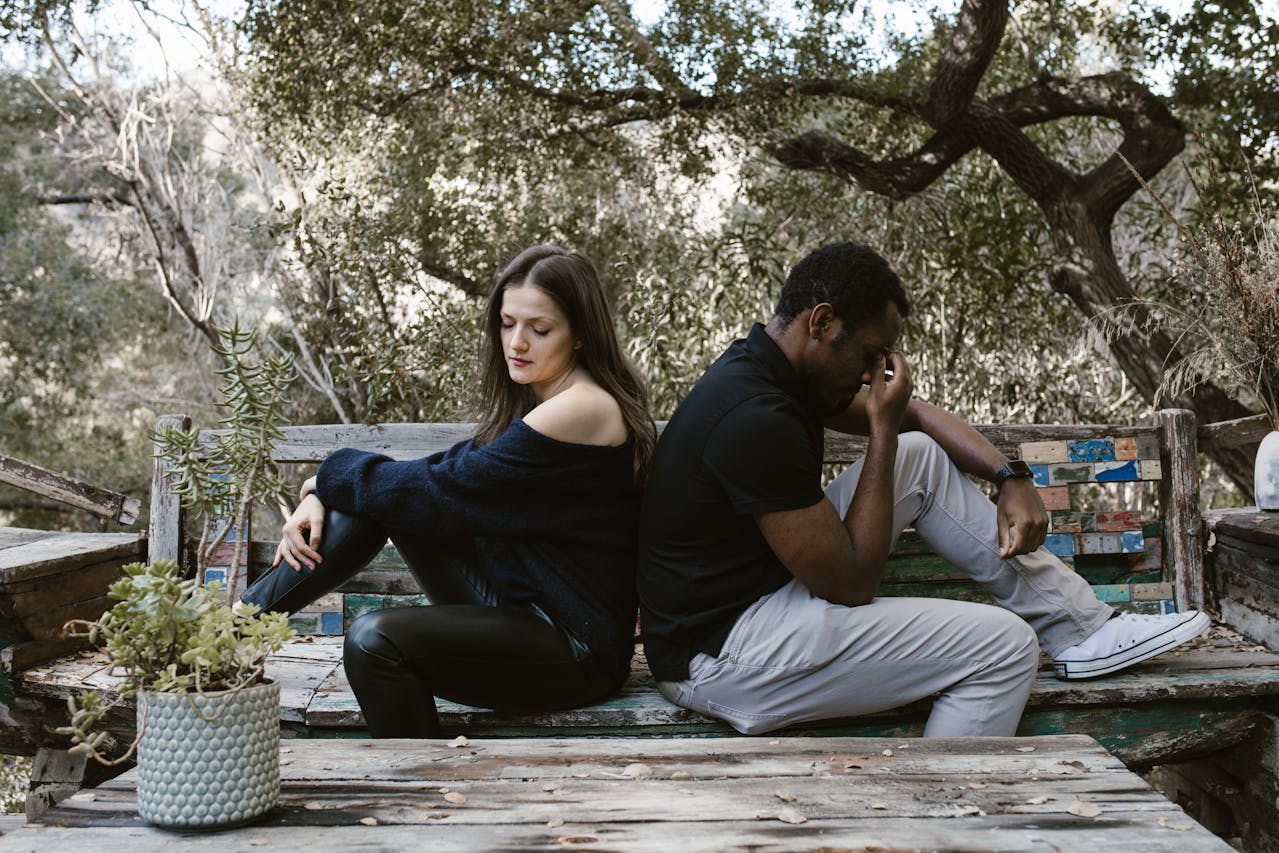

The Real Reason Good People End Up in Toxic Relationships
Introduction
Have you ever wondered why kind, loyal, and empathetic people — the ones who give their all in love — often end up in toxic relationships?
It seems unfair, doesn’t it? You’d expect their goodness to attract the same in return. But life, especially in love, doesn’t always follow that logic.
The truth is, good people don’t fall into toxic relationships because they’re weak or naïve — they fall because they love deeply. They believe in potential. They see light in darkness. And that same beautiful trait that makes them kind also makes them vulnerable.
Let’s unpack why good-hearted people attract and stay in toxic relationships, and what they can do to break the cycle for good.
1. They Confuse Compassion With Responsibility
Good people are naturally empathetic. They feel other people’s pain as if it were their own. When they see someone hurting, their instinct is to help, fix, or save.
So when they meet a partner who’s struggling — emotionally unstable, wounded, or carrying trauma — their heart says, “Maybe I can help them heal.”
But here’s the catch: compassion easily turns into emotional caretaking. Over time, they start to take responsibility for their partner’s moods and mistakes. They feel guilty for setting boundaries or saying no.
The toxic partner, consciously or not, senses this and starts to rely on that empathy to avoid accountability. It becomes a pattern: one person gives endlessly, while the other takes without change.
It’s not love — it’s emotional dependency disguised as devotion.
2. They See Potential, Not Patterns
Good people have a gift for seeing potential — the “best” in others, even when that best hasn’t shown up yet.
They’ll say things like:
- “I know they have a good heart.”
- “They’re not always like this.”
- “They’ve been through a lot, they just need love.”
While that optimism is beautiful, it can become dangerous when it blinds them to repeated red flags.
Love shouldn’t be about potential. It should be about patterns — how someone consistently treats you, not how good they could be if only they tried harder.
Seeing potential without accountability keeps good people trapped in the hope of change, while their emotional energy quietly drains away.
📖 You may also like: People-Pleasing in Relationships: Why It Happens and How to Stop
(This post explores how people-pleasing tendencies make us ignore red flags in love.)
3. They Mistake Chemistry for Compatibility
Toxic relationships often start with intense chemistry. The connection feels electric — like “soulmate” energy. It’s passionate, unpredictable, and almost addictive.
But chemistry doesn’t always mean compatibility. Sometimes, it’s just trauma bonding — a powerful pull created when two people’s unhealed wounds mirror each other.
For example, someone who grew up feeling unseen may unconsciously seek validation from emotionally unavailable partners. When that partner gives occasional attention, it feels euphoric — like finally being noticed. But the inconsistency creates anxiety, not love.
That’s why good people often stay, even when they know the relationship is hurting them. It’s not stupidity; it’s the brain confusing pain for passion.
4. They Were Taught to Earn Love
Many kind-hearted people grew up in homes where love was conditional — you had to behave, achieve, or please to feel accepted.
As adults, they carry that pattern into relationships. They believe that if they love hard enough, stay loyal enough, and forgive enough, they’ll finally be loved back the same way.
This is the painful cycle of “earned love” — trying to prove your worth through sacrifice.
Toxic partners sense this and exploit it. They give affection in small doses, then withdraw it, keeping the good person chasing that next moment of approval.
But real love isn’t earned — it’s given freely. The moment someone makes you feel you have to “deserve” their love, you’re already in an unhealthy dynamic.
5. They Overlook Red Flags in the Name of Forgiveness
Forgiveness is noble — but without boundaries, it becomes self-betrayal.
Good people forgive too soon. They explain away hurtful behavior because they “understand” where it’s coming from. They think forgiving means forgetting.
But in toxic relationships, forgiveness without changed behavior is just permission for the cycle to continue.
Healthy forgiveness says, “I can understand why you did that, but it doesn’t mean I’ll accept it again.”
Unhealthy forgiveness says, “It’s okay — I’ll give you another chance,” again and again.
6. They Fear Being Alone More Than Being Unhappy

Many good people stay in bad relationships not because they don’t see the truth, but because leaving feels scarier than staying.
They think:
- “What if I never find someone else?”
- “Maybe it’s not that bad.”
- “I’ve already invested too much.”
But peace is better than companionship built on pain. Being alone is not loneliness — it’s a chance to reset, heal, and remember your worth.
Toxic love thrives on fear, but real love grows in freedom.
7. They Ignore Their Gut Instinct
Deep down, good people often know when something isn’t right. They feel it in their body — that quiet discomfort, that inner tension.
But they second-guess themselves because they don’t want to “judge” or “overreact.” They give the benefit of the doubt, hoping love will fix things.
Ignoring your intuition is like muting your internal alarm system. It’s your body’s way of protecting you — not from others, but from losing yourself.
Learning to trust your gut is one of the strongest acts of self-love there is.
8. They Believe Love Can Change Someone
Movies and culture have sold us a lie: that love can save, fix, or heal a broken person.
But in reality, love doesn’t change people — self-awareness and effort do.
You can pour all your energy into loving someone, but if they refuse to take accountability, nothing will shift. You’ll just end up empty, questioning your own worth.
Real love doesn’t require you to shrink, chase, or rescue. It allows both partners to grow — side by side, not one pulling the other uphill.
📖 Also read: 7 Boundaries That Build Intimacy—Not Distance
(Discover how healthy boundaries actually strengthen love instead of pushing people away.)
9. They Think Walking Away Means Giving Up
For many good people, leaving a toxic relationship feels like failure. They think, “If I leave, it means I didn’t love enough.”
But walking away isn’t giving up — it’s choosing peace over pain. It’s saying, “I still believe in love, but not at the cost of my sanity.”
Sometimes, the most powerful kind of love is the one you show yourself when you finally stop settling.
You’re not responsible for someone’s growth — only your own.
10. Healing: How Good People Break Free from Toxic Patterns
Breaking free from toxic love doesn’t happen overnight. It’s a process of unlearning, rebuilding, and forgiving yourself for not knowing better before.
Here’s how good people begin to heal:
- Recognize the pattern. Awareness is the first step toward change.
- Set emotional boundaries. You’re allowed to say no without guilt.
- Seek therapy or counseling. Healing old wounds helps you stop attracting similar partners.
- Rebuild self-trust. Listen to your gut — it was right all along.
- Surround yourself with support. Healthy friendships remind you what safe love feels like.
Healing doesn’t mean you stop loving deeply — it means you learn to love wisely.
Conclusion
Good people end up in toxic relationships not because they’re foolish, but because their hearts are open.
They love without holding back — and sometimes that light attracts both the right and wrong kind of people.
But remember this: your empathy is not a weakness. Your kindness is not a flaw. You just need to pair your heart with wisdom.
When you finally choose yourself, you stop settling for pain disguised as love. And that’s when the right kind of relationship — one rooted in peace, respect, and safety — can finally find you.