
The Quiet Pain of Being the One Everyone Depends On
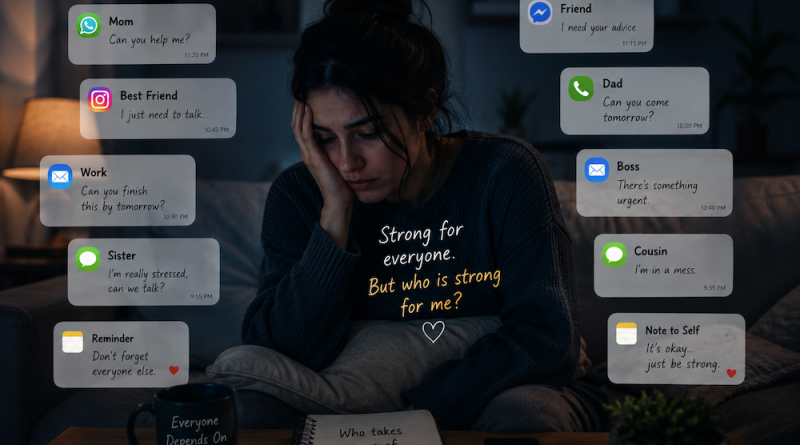
There is a special kind of exhaustion that comes from always being the “strong one.”
You become the person everyone calls during a crisis. Friends rely on you for advice. Family members expect you to stay calm no matter what happens. Somehow, you keep showing up for everybody else even when your own heart feels heavy.
People admire your strength.
However, very few people notice how tired you truly are.
The truth is, being the one everyone depends on can slowly become emotionally draining. Over time, you may start carrying other people’s pain while ignoring your own needs. As you focus on holding everyone together, you slowly forget what it feels like to be supported yourself.
And the hardest part?
Many strong people suffer quietly because they feel guilty for needing help too.
When Strength Becomes a Burden
At first, being dependable can feel rewarding. It feels good to be needed. In many ways, it gives you purpose and identity. Sometimes, you even convince yourself that being “the strong one” is simply who you are.
Eventually, emotional pressure begins to build.
Even during your hardest days, people still expect you to show up emotionally. You answer calls while mentally exhausted. Other people vent to you while your own emotions stay buried inside. Somehow, you continue becoming everyone’s safe place while quietly wishing someone could do the same for you.
Unfortunately, people often become so used to your strength that they stop asking if you are okay.
Most people assume you can handle everything without struggling. Beneath that image of strength, however, emotional pressure quietly grows under responsibilities nobody notices.
This kind of emotional overload does not always appear outwardly. Instead, it often shows up through irritability, emotional numbness, loneliness, constant fatigue, or feeling disconnected from yourself.
In many cases, strong people are not truly “fine.” They have simply become experts at hiding their pain.
The Pressure to Always Hold It Together
Many people who carry others emotionally learned early in life that their feelings came second.
Perhaps you grew up being the responsible child. Maybe life forced you to mature too quickly because your environment demanded it. In some situations, people learn that love comes through sacrifice, caretaking, or constantly being available for others.
As a result, rest can start feeling selfish.
You may feel uncomfortable receiving help because you are used to giving it instead.
Even worse, some people fear disappointing others if they stop being emotionally available all the time.
Because of that fear, they continue overextending themselves.
Many people keep saying yes even when they desperately need to say no. Rather than slowing down, they continue pouring from an empty cup because they believe everyone else matters more. Eventually, this emotional pattern creates deep internal loneliness.
Ironically, someone can feel emotionally unseen while surrounded by family, friends, or relationships.
If emotional exhaustion has been weighing heavily on you lately, you may also connect with “This Is Your Sign to Rest.” Sometimes slowing down is necessary for healing.
Nobody Notices the Strong One Is Tired
One painful reality about always being dependable is that people rarely check on the person who seems to “have it all together.”
Over time, you can begin feeling emotionally invisible.
Others often assume:
- “They’re strong.”
- “They can handle it.”
- “They never complain.”
- “They always figure things out.”
However, strength does not cancel emotional needs.
Strong people still need reassurance. They still need comfort. They still need rest, understanding, and support.
Yet many dependable people silently struggle with thoughts like:
- “Who takes care of me?”
- “Why do I always have to be the strong one?”
- “Would anyone notice if I stopped showing up?”
- “Why do I feel alone even around people?”
These feelings are more common than many realize.
Sometimes the people who look the strongest externally are carrying the heaviest emotional weight internally.
The Emotional Burnout Nobody Talks About
Emotional burnout does not happen overnight.
Instead, it builds slowly through years of suppressing emotions, ignoring exhaustion, and constantly prioritizing others over yourself.
At first, the exhaustion may seem manageable. Later, emotional fatigue starts affecting your mental well-being, relationships, and sense of peace.
Over time, emotional burnout may begin showing itself through:
- Emotional numbness
- Constant fatigue
- Increased anxiety
- Feeling detached from relationships
- Difficulty expressing personal needs
- Crying unexpectedly
- Losing interest in things you once enjoyed
- Feeling emotionally unappreciated
Some people even begin resenting the very people they love because they feel emotionally overused.
However, guilt often prevents them from setting boundaries.
That is why emotional burnout becomes so dangerous. It convinces people they must continue carrying everyone else even while collapsing internally.
If you often felt emotionally unseen while growing up, you may also relate to “Growing Up in a Family That Didn’t Understand Me.” Many emotionally strong adults learned to suppress their needs long before adulthood.
Why Dependable People Struggle to Ask for Help
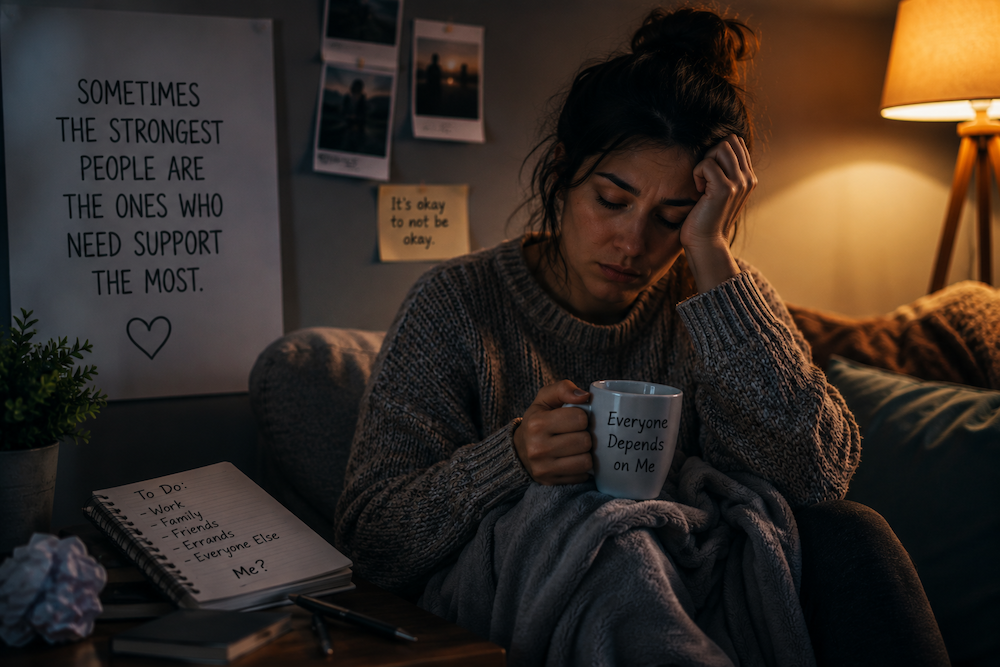
Many people who support everyone else secretly struggle with vulnerability.
Some fear appearing weak. Others worry about becoming a burden. In many cases, people fear losing the identity others admire.
After years of being “the reliable one,” asking for help can feel unnatural. Some people no longer know how to express their emotional needs clearly.
Instead, they keep everything inside.
They say:
- “I’m okay.”
- “It’s nothing.”
- “I’ll figure it out.”
Even when they feel completely overwhelmed.
Sadly, emotional suppression often creates deeper stress, anxiety, and isolation.
Healing begins when strong people finally accept this truth:
You do not have to earn rest by suffering first.
You are allowed to need support too.
The Difference Between Strength and Self-Abandonment
Being kind, supportive, and dependable is beautiful.
However, there is a difference between genuine strength and self-abandonment.
Strength says:
- “I care about others, but I matter too.”
Self-abandonment says:
- “Everyone else’s needs come before mine.”
Many emotionally exhausted people confuse over-sacrificing with love.
However, constantly neglecting yourself is not healthy love.
Real emotional health includes boundaries.
It includes rest.
It includes saying no without guilt.
It also includes allowing yourself to receive care instead of always giving it.
Without balance, even the strongest people eventually burn out.
Healing When You’re Used to Carrying Everyone
Healing starts with honesty.
First, you must admit that constantly carrying emotional weight alone is exhausting.
That does not make you weak.
It makes you human.
Here are a few important steps toward emotional healing:
1. Stop Pretending You’re Fine
You do not always have to appear strong. Give yourself permission to acknowledge your emotions honestly.
2. Learn to Set Boundaries
Not every problem is yours to solve. Saying no does not make you selfish.
3. Let People Support You
Healthy relationships should not feel one-sided. Allow trusted people to care for you too.
4. Rest Without Guilt
You do not need to “earn” rest by overworking yourself emotionally.
5. Reconnect With Yourself
Spend time understanding your own feelings, needs, and desires outside of helping others.
At first, this healing process may feel uncomfortable, especially if you are used to prioritizing everyone else. However, emotional balance is necessary for long-term peace.
You Deserve Support Too
Sometimes the strongest people silently hope someone will finally ask:
“How are you doing?”
Not because they want attention.
They simply feel tired of carrying everything alone.
If you have been the dependable one for years, this is your reminder:
You have permission to pause when life feels emotionally overwhelming. Rest is something you deserve without guilt. Occasionally disappointing people does not make you selfish or uncaring.
Most importantly, you are allowed to be cared for too.
Your value is not measured by how much emotional pain you can carry for others.
You deserve relationships where support flows both ways.
You deserve spaces where you can speak honestly about your exhaustion without feeling guilty.
And you deserve a life where strength does not require self-neglect.
Because even the strong ones need love, support, and healing too.