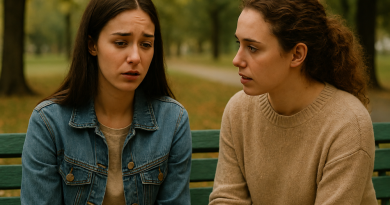

How It Feels to Outgrow People You Still Love
Outgrowing people you still love is one of the most confusing emotional experiences you can have. There’s no dramatic ending, no clear argument, no moment where everything falls apart. Instead, it happens quietly—almost gently—until one day you realize that the relationship no longer fits the person you’ve become.
You still care. You still wish them well. You still remember who they were to you during seasons when you needed them most. But something has shifted, and pretending otherwise feels like lying to yourself.
This kind of emotional distance doesn’t get talked about enough. Because society understands breakups, fallouts, and betrayals—but it struggles to understand growth. Especially when growth creates space between people who once felt inseparable.
What It Actually Means to Outgrow Someone
Outgrowing someone doesn’t mean you’ve become arrogant, selfish, or emotionally cold. It means your inner world has changed.
You may have:
- Developed stronger boundaries
- Healed wounds you once bonded over
- Outgrown coping mechanisms that defined the relationship
- Shifted your values, priorities, or emotional needs
When growth happens unevenly, relationships begin to feel misaligned. Conversations that once felt stimulating now feel repetitive. Emotional support feels one-sided. What used to feel natural now feels forced.
Outgrowing someone is less about rejection and more about recognition.
Why It Hurts More When Love Is Still Present
If love disappeared, letting go would be easier. But when affection remains, the pain becomes layered.
You’re not just grieving the person—you’re grieving the version of life that included them. You’re mourning shared dreams, inside jokes, routines, and the sense of safety that came with familiarity.
There’s also the ache of knowing that no one necessarily did anything wrong. The relationship didn’t break—it simply stopped growing.
And that kind of ending doesn’t come with closure. It comes with questions.
The Guilt That Comes With Growth
One of the hardest emotions tied to outgrowing people you still love is guilt.
You might wonder:
- Why can’t I just be satisfied with this relationship?
- Am I abandoning them by changing?
- What if my growth hurts them?
If you’ve spent years prioritizing other people’s comfort over your own needs, growth can feel like betrayal. You may be especially familiar with this if you struggle with people-pleasing patterns. If that resonates, People-Pleasing in Relationships: Why It Happens and How to Stop explores why guilt shows up so strongly when you begin choosing yourself.
But growth is not cruelty.
Choosing alignment is not abandonment.
And honoring your emotional truth is not selfishness.
Subtle Signs You’re Outgrowing Someone You Still Love

Outgrowing someone often begins quietly. Here are signs many people ignore until the discomfort becomes impossible to overlook:
1. You Feel Drained After Interactions
Instead of feeling seen or supported, you feel emotionally exhausted.
2. You Edit Yourself Around Them
You hold back opinions, dreams, or truths to avoid tension or misunderstanding.
3. Your Growth Makes Them Defensive
Your healing, confidence, or boundaries feel threatening to the dynamic you once shared.
4. You Miss Who They Used to Be
Not because they’ve changed for the worse—but because you no longer connect the same way.
These signs don’t mean the relationship lacks love. They mean it lacks alignment.
Why Some People Can’t Grow With You
Growth requires self-reflection, emotional accountability, and a willingness to be uncomfortable. Not everyone is ready for that journey.
Some people prefer familiarity over evolution. They feel safer staying the same, even when it no longer serves them—or you.
That doesn’t make them bad people. It simply means the relationship was built for an earlier version of who you are.
Trying to pull someone into growth before they’re ready often leads to resentment, power struggles, and emotional burnout.
The Unique Grief of Outgrowing Someone
This kind of loss is hard because it doesn’t look like loss.
The person is still alive. Still reachable. Still part of your history. Yet the emotional connection has changed.
You grieve:
- What the relationship used to be
- What you hoped it would become
- The comfort of shared identity
And because the world doesn’t recognize this grief, you may feel isolated in it—questioning whether your pain is even valid.
It is.
Loving Someone From a Distance
Sometimes the healthiest way to love someone is from afar.
Loving from a distance doesn’t mean you stop caring. It means you stop forcing closeness that no longer feels honest.
Distance allows:
- Emotional breathing room
- Clearer boundaries
- Respect for individual growth
This is where boundaries become essential. Not walls—but guidelines for self-respect. 7 Boundaries That Build Intimacy—Not Distance explains how boundaries can actually preserve love instead of destroying it.
When Staying Becomes Self-Abandonment
There’s a quiet line between loyalty and self-betrayal.
If maintaining a relationship requires you to:
- Suppress your truth
- Carry emotional weight alone
- Accept consistent misunderstanding
Then staying may cost more than leaving.
Love should not demand that you disappear.
Growth invites honesty—even when that honesty changes who stays in your life.
How to Let Go Without Becoming Bitter
Letting go doesn’t have to be loud or angry. It can be gentle and grounded.
Acknowledge What the Relationship Gave You
Every meaningful connection teaches you something. Gratitude softens the goodbye.
Release the Need for Closure
Not all endings come with conversations. Some come with acceptance.
Allow Mixed Emotions
You can miss someone and still know you’re better apart.
Redirect Energy Toward Yourself
Growth requires space. Fill that space with self-trust, healing, and aligned relationships.
You’re Not a Villain for Choosing Growth
Outgrowing people you still love doesn’t make you heartless. It means you’re listening to your inner truth instead of silencing it.
Some people walk with us for seasons.
Some are mirrors.
Some are lessons.
Not everyone is meant to come along for every chapter.
Final Thoughts: Growth Changes the Guest List
Becoming a new version of yourself often reshapes your relationships. And while that can feel lonely, it’s also a sign of deep self-honesty.
Outgrowing people you still love is painful—but it’s also proof that you’re evolving. You’re choosing emotional alignment over comfort. You’re honoring who you’re becoming.
And that choice, even when it hurts, is an act of self-respect.