
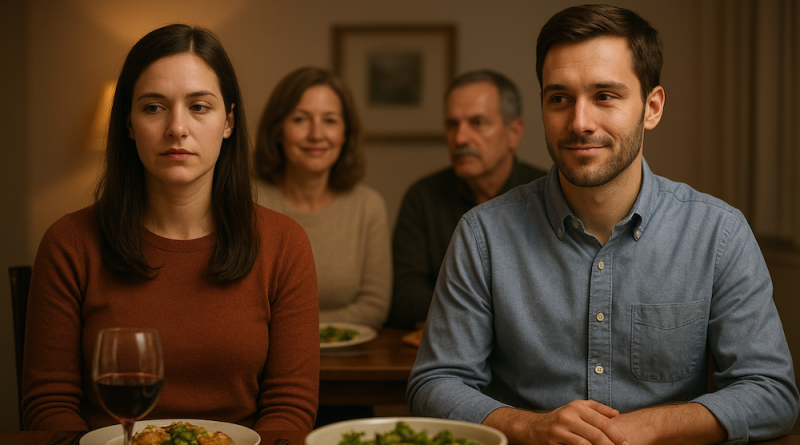
The Hidden Pain of Sibling Rivalry in Adulthood
Introduction: When Childhood Competition Grows Up
Sibling rivalry is often dismissed as a harmless part of growing up—an innocent struggle over toys, attention, or praise. But what happens when those childhood competitions never truly end? When subtle comparisons, jealousy, or resentment quietly shape adult relationships?
The truth is, sibling rivalry in adulthood can cause emotional wounds that linger beneath the surface. It can affect self-esteem, mental health, and even family unity. And because most people don’t talk about it, the pain stays hidden—masked by politeness or distance.
Let’s explore how sibling rivalry evolves with age, why it hurts so deeply, and how to find peace when family becomes a quiet battlefield.
1. The Roots of Rivalry: Where It All Began
Sibling rivalry often starts with something simple—a parent’s praise, a perceived favorite, or unequal attention.
Maybe one child was always “the smart one” while another was “the creative one.” Or perhaps one sibling was more outgoing, while the other felt invisible. These labels, though unintentional, can follow children into adulthood, shaping how they see themselves and each other.
As adults, this early competition can show up in subtle ways:
- Comparing careers, marriages, or achievements
- Feeling overshadowed or underappreciated
- Struggling to feel equal in family dynamics
Even when everyone is grown, that old hierarchy—the “responsible one,” the “wild one,” the “favorite”—can still dictate how siblings relate to one another.
2. How It Shows Up in Adulthood
Adult sibling rivalry doesn’t always look like open conflict. Sometimes, it’s quiet, emotional, and deeply internalized.
You might notice it in moments like:
- Feeling a pang of jealousy when your sibling buys a house or gets promoted
- Sensing competition for your parents’ approval or attention
- Feeling invalidated when your accomplishments are overlooked
- Holding back from sharing good news because it might stir resentment
The pain comes from comparison—a silent tug-of-war between love and competition.
Unlike childhood rivalry, there’s no referee now. Parents age, life paths diverge, and unresolved emotions quietly accumulate. What’s left is often distance—a polite detachment that keeps peace on the surface but tension underneath.
3. Why It Hurts So Much
Sibling relationships are supposed to be safe—your first bond, your mirror, your family. When that bond feels strained or competitive, it can trigger deep feelings of rejection or inadequacy.
Many adults caught in sibling rivalry struggle with:
- Low self-worth: Always feeling like you’re “not enough” compared to your sibling.
- Guilt: For feeling jealous of someone you genuinely love.
- Resentment: For past favoritism or unequal treatment.
- Loneliness: Because family events feel more like performances than connection.
This kind of emotional pain is quiet but powerful. It seeps into other relationships—friendships, marriages, and even how you raise your own children.
(Related post: Breaking Free from “What Will People Say?”)
4. The Role of Parents (Even in Adulthood)
Parents rarely intend to create rivalry. But the way they respond to their children—through comparisons, favoritism, or unresolved conflicts—can keep competition alive.
For example:
- A parent who constantly praises one child’s success might unintentionally invalidate the other’s efforts.
- A parent who relies too heavily on one “responsible” child may cause resentment among siblings.
- Avoiding family issues for the sake of “peace” can make unresolved tension grow stronger.
As parents age, adult siblings may also clash over caregiving roles, inheritance, or who’s “doing more.” These practical issues can reopen emotional wounds from decades ago.
5. When Rivalry Turns to Estrangement

In some cases, the rivalry becomes too painful to manage. Some siblings drift apart; others go years without speaking.
It’s not always out of hatred—it’s often self-protection. When every interaction triggers comparison, criticism, or one-upmanship, distance feels like relief.
But estrangement can bring its own pain: guilt, loss, and grief for the relationship you wish existed.
(Related post: The Silent Divorce — Living Together but Miles Apart)
6. Healing from Sibling Rivalry
Healing starts with self-awareness, not confrontation. You may not be able to change your sibling, but you can change how their actions affect you.
a. Acknowledge the Pain
Admit what you feel—jealousy, anger, sadness, disappointment. Pretending it doesn’t bother you only deepens the hurt.
b. Stop Comparing
Each life unfolds differently. Your sibling’s success isn’t your failure. Shift from competition to gratitude—celebrate your own path, even if it looks different.
c. Set Boundaries
If interactions leave you feeling drained or small, it’s okay to create emotional distance. You can love someone and still protect your peace.
d. Talk (If It Feels Safe)
If you believe your sibling is open to it, gently express your feelings without blame. Use “I” statements like:
“I sometimes feel overlooked when our parents compare our achievements.”
Honest, calm conversations can sometimes bridge decades of misunderstanding.
e. Seek Healing Beyond Family
Therapy, journaling, or deep reflection can help unpack the emotional layers beneath rivalry. Often, the competition isn’t really about your sibling—it’s about your need for validation, love, or belonging.
7. When Reconciliation Isn’t Possible
Not every sibling relationship can be repaired—and that’s okay.
Healing doesn’t always mean becoming close again. Sometimes it means letting go of what you can’t control and finding peace in acceptance.
You can:
- Forgive without reconnecting
- Grieve the relationship you wanted
- Choose emotional freedom over bitterness
True maturity means realizing you can love someone from afar—and still live a full, joyful life without their approval.
8. Turning Rivalry into Respect
Rebuilding a healthier bond starts with empathy. Try seeing your sibling as a human being shaped by the same family dynamics as you. They, too, may have felt invisible or compared.
Simple gestures—checking in, celebrating their milestones, or showing interest—can soften years of competition.
When both sides are ready, sibling relationships can evolve from rivalry into mutual respect. It won’t erase the past, but it can create peace for the future.
9. The Freedom That Comes from Letting Go
When you stop chasing equality and start embracing individuality, something powerful happens: you reclaim your peace.
You realize that your worth was never dependent on being “better than” your sibling. It’s found in being whole—in your own journey, growth, and healing.
Letting go of rivalry doesn’t mean giving up on family. It means freeing yourself from invisible battles that no longer serve you.
Conclusion: Healing the Hidden Wounds
Sibling rivalry in adulthood isn’t just about competition—it’s about longing. A longing to be seen, loved, and valued.
When we acknowledge the hidden pain, we give ourselves permission to heal, to redefine family not by competition but by compassion.
Because at the end of the day, peace isn’t found in being the favorite—it’s found in being free.
Additional Resources
Sibling Rivalry Between Adult Siblings is About Being Stuck in the Past
Sibling Rivalry in Adults, How to Cope With Adult Siblings Fighting